Section
Tools
Developer tooling, agents, evaluation, gateways and the software stack around generative AI, tested and compared.
28 stories · page 3 of 3
Explainer
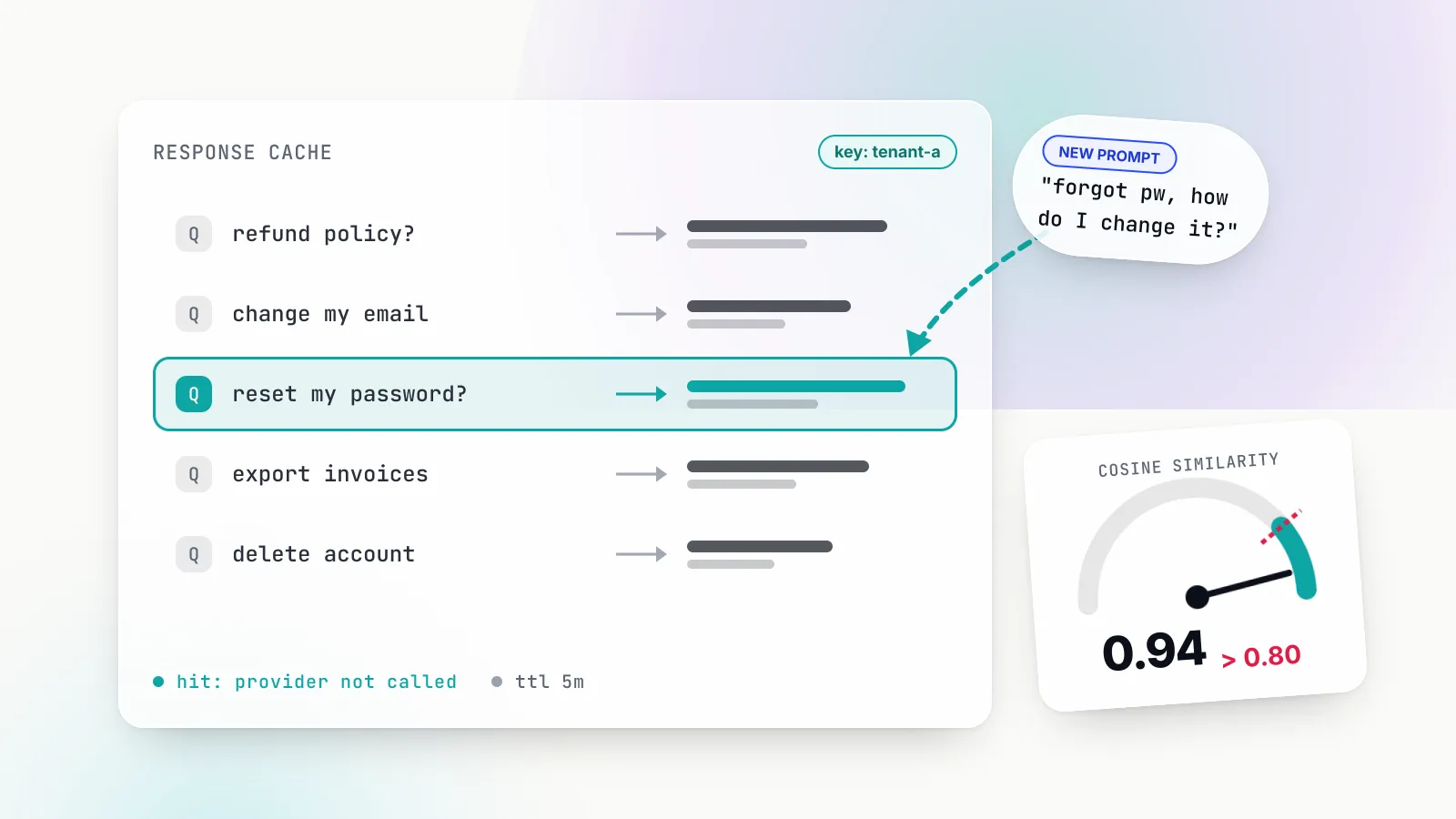
Semantic caching for LLMs: how it works and where it goes wrong
Semantic caching replays a stored LLM answer when a new prompt means the same thing. How thresholds, vector stores and cache keys work, how it differs from prompt caching, and how to measure savings.
Explainer
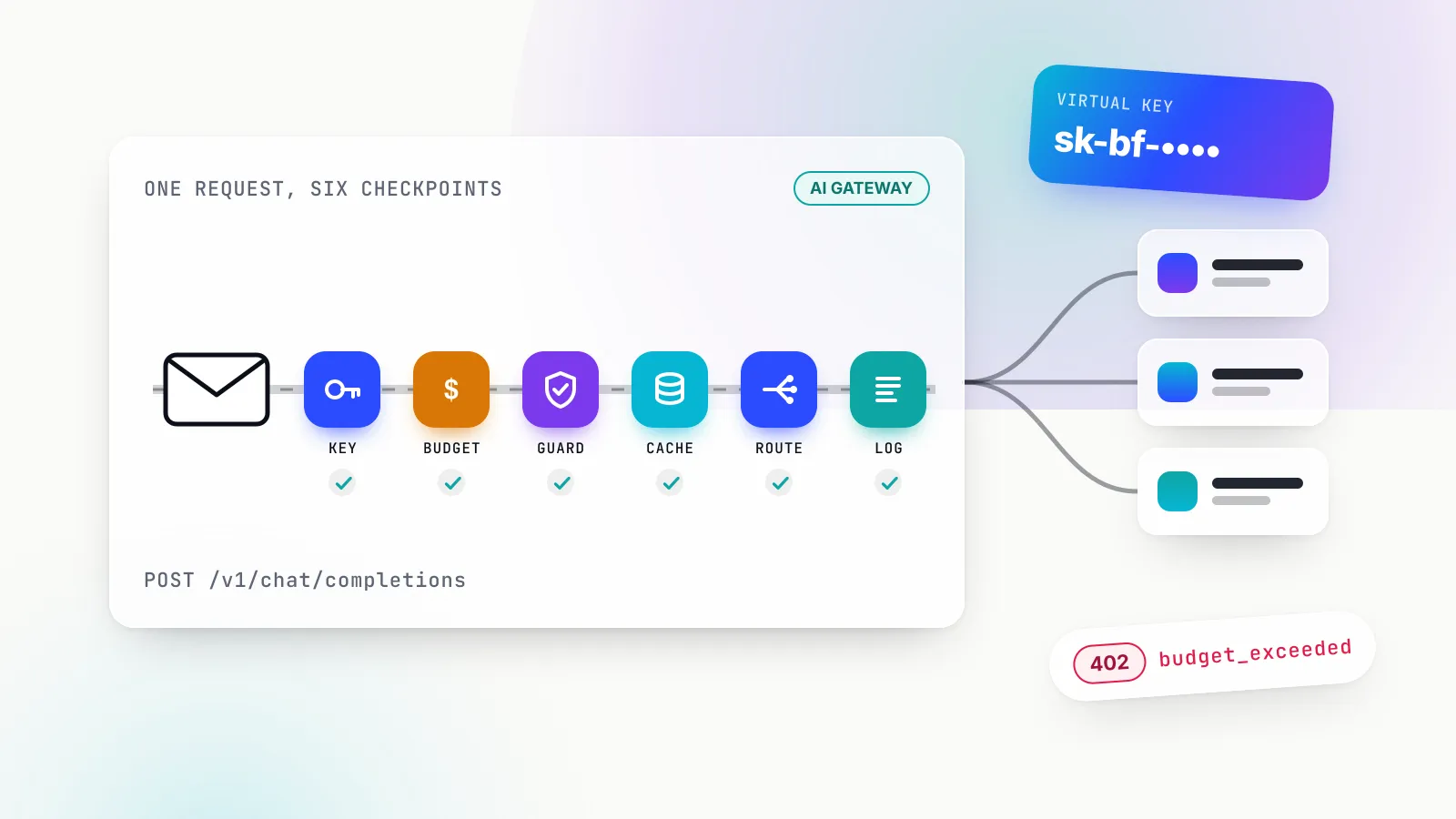
What is an AI gateway? How it works, when you need one and how to choose
An AI gateway sits between applications and model providers to handle keys, budgets, failover, caching, guardrails and logs. How the request path works, and when a team actually needs one.
Comparison
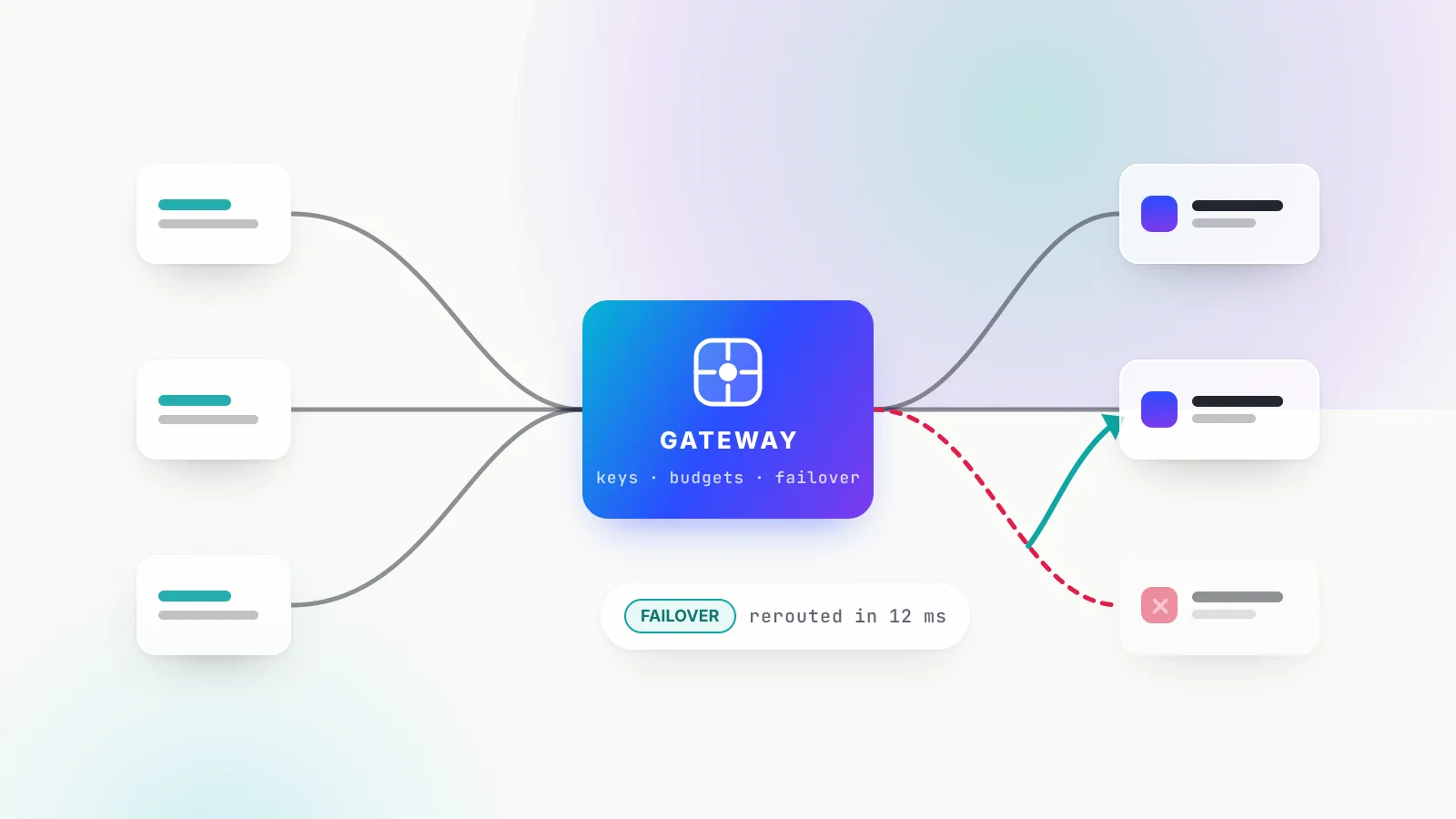
Five LLM gateways compared: failover, governance, MCP and where each one fits
Bifrost, LiteLLM, Kong, Cloudflare and Vercel AI Gateway compared on overhead, error semantics, budgets, guardrails, MCP routing, deployment and licence, read from each vendor's own documentation.
Survey
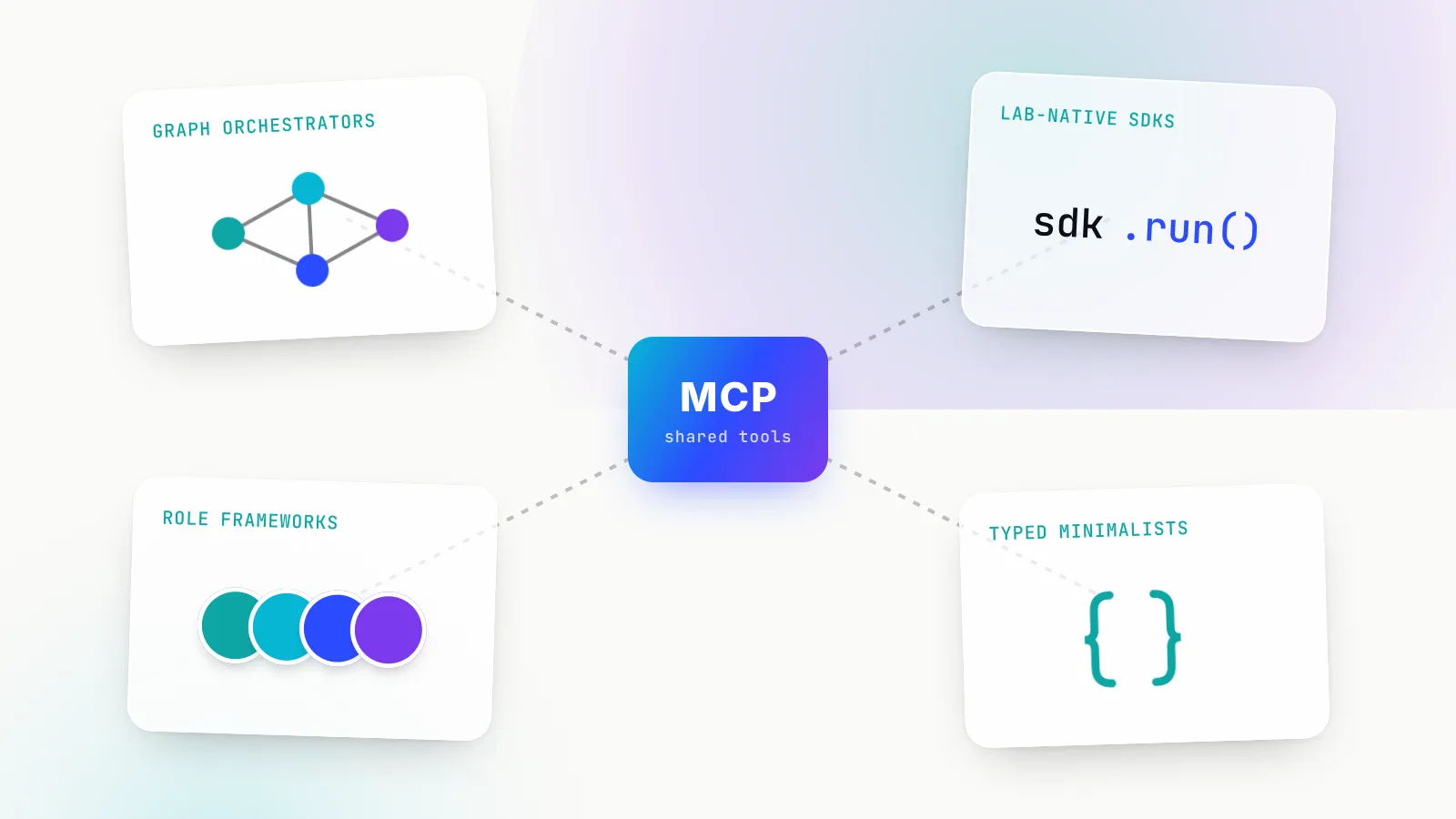
Agent frameworks in 2026: four camps, two protocols and how to choose
Nine frameworks and two protocols compared on control flow, durable state, multi-agent topology, tool support, hosting and evaluation hooks, with recommendations keyed to constraints.