Section
Models
Frontier and open-weight model releases, benchmarks, pricing and what each one changes for the people who build on them.
10 stories
Analysis
Apertus 1.5 opens the recipe, including the parts that did not work
The multimodal release makes its tokenizer, training stages and limitations inspectable. Its most useful contribution is the ability to trace behaviour back to decisions.
Analysis
Genie 4 turns generated scenes into interactive worlds
DeepMind's research preview combines real-time steering with generated sound. The useful distinction is between a persuasive scene and a dependable environment.
Analysis
Muse Spark Open: what changes when the weights are available
The release opens several deployment paths, but active parameters, checkpoint size, runtime support and licence terms answer different practical questions.
Explainer
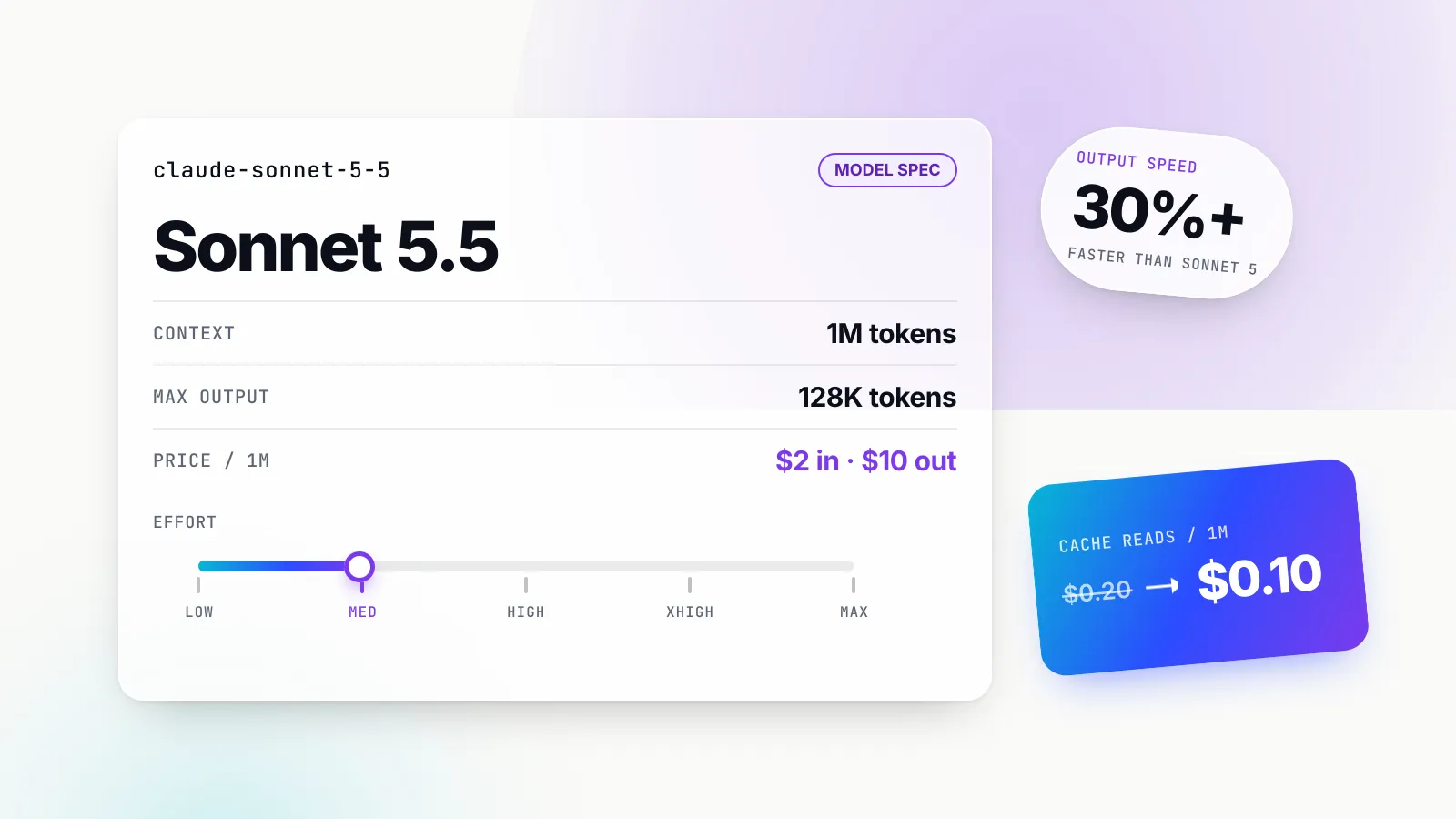
Claude Sonnet 5.5: a practical guide to price, effort, benchmarks and migration
Anthropic's mid-tier model costs $2 in and $10 out per million tokens with a 1M context. What changed from Sonnet 5, when to pick it over Opus 5.5 or Haiku 5.5, and how to migrate.
Comparison
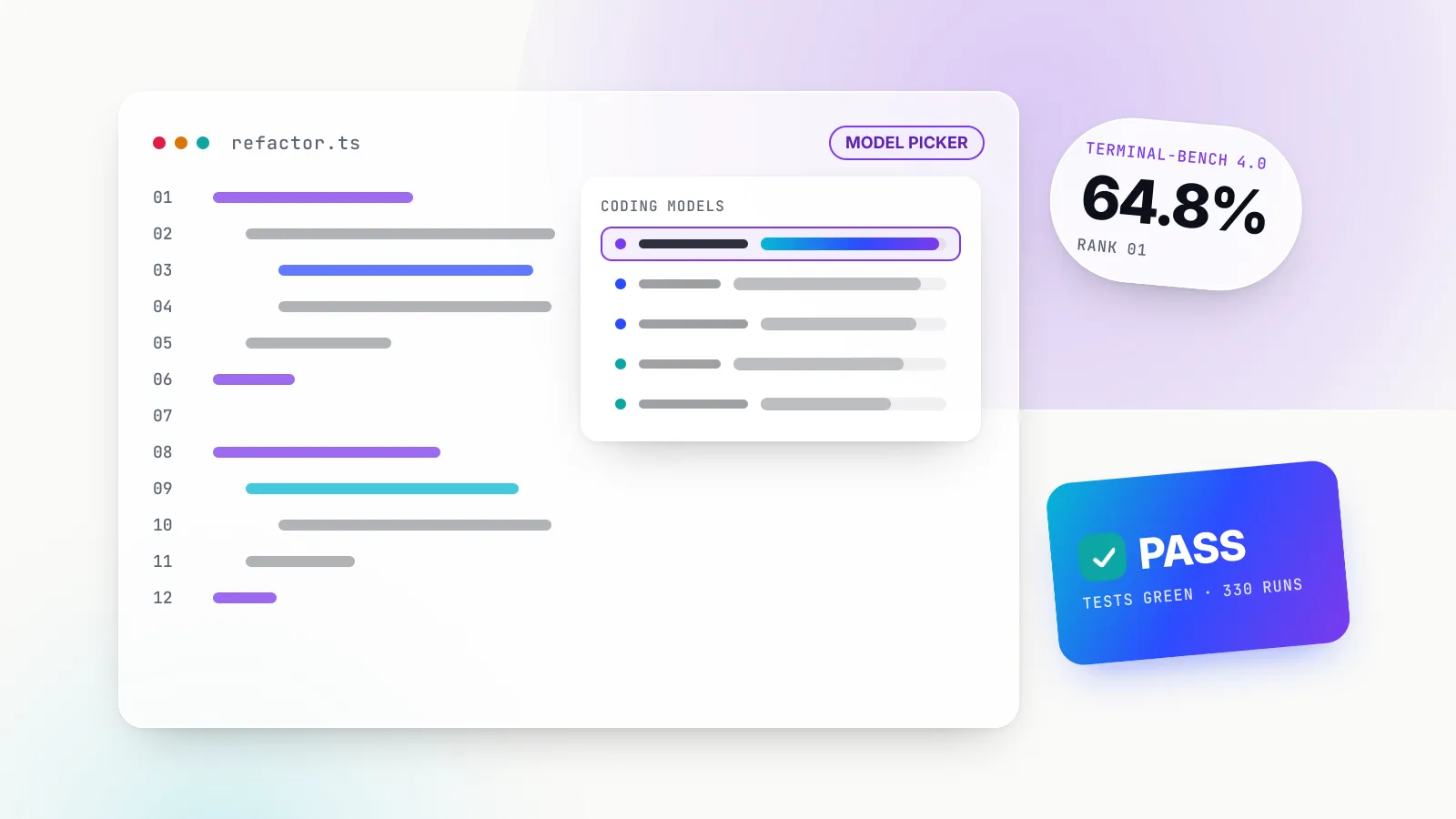
Best LLM for coding in October 2026: ten models ranked on the evidence
Opus 5.5, GPT-6.1 Sol, Gemini 4 Argon and seven more ranked on Terminal-Bench 4.0, DeepSWE and cost per task, with each score's harness and source.
Explainer
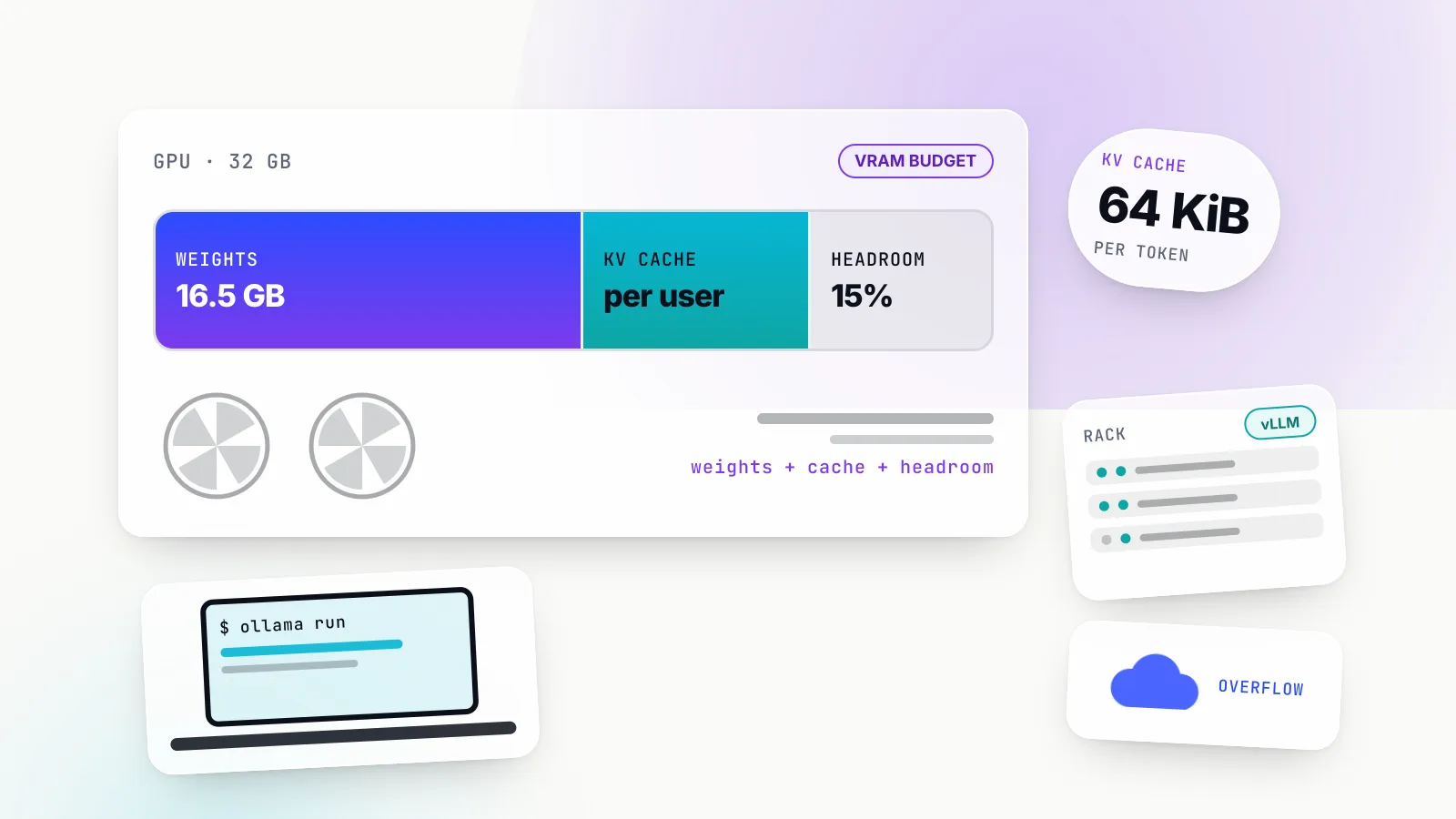
Self-hosted LLM guide for 2026: VRAM maths, Ollama vs vLLM and the break-even
When a self-hosted LLM pays off, how to size GPU memory for weights and KV cache, which inference server fits which job, and what the hardware really costs.
Comparison
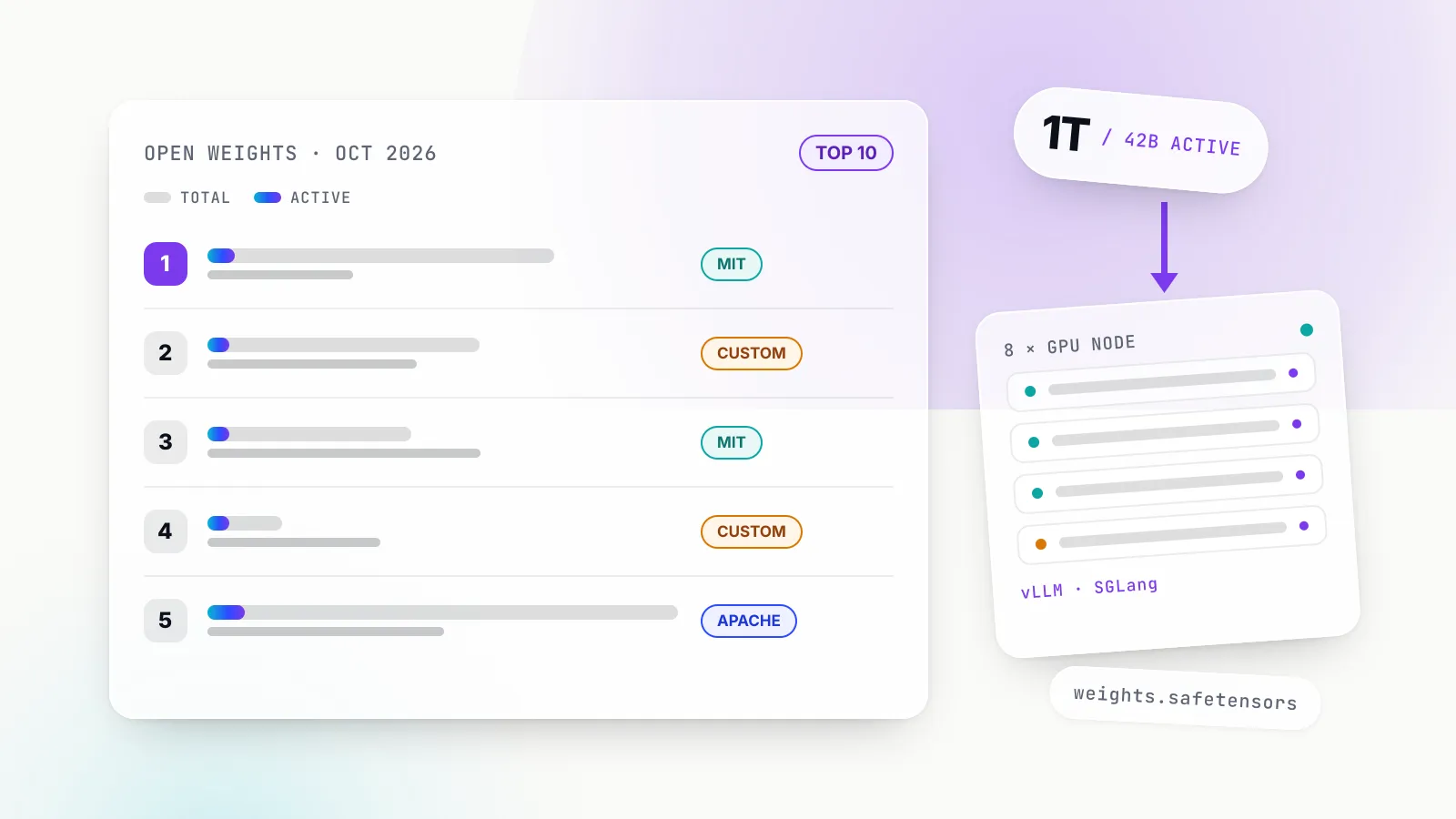
Top 10 open-weight models in October 2026, ranked for teams that self-host
MiMo-V2.6-Pro, GLM-5.3, DeepSeek V4.1 and seven more, ranked on independent evals, licence terms, active parameters, hardware and serving support, each read from its own model card.
Explainer
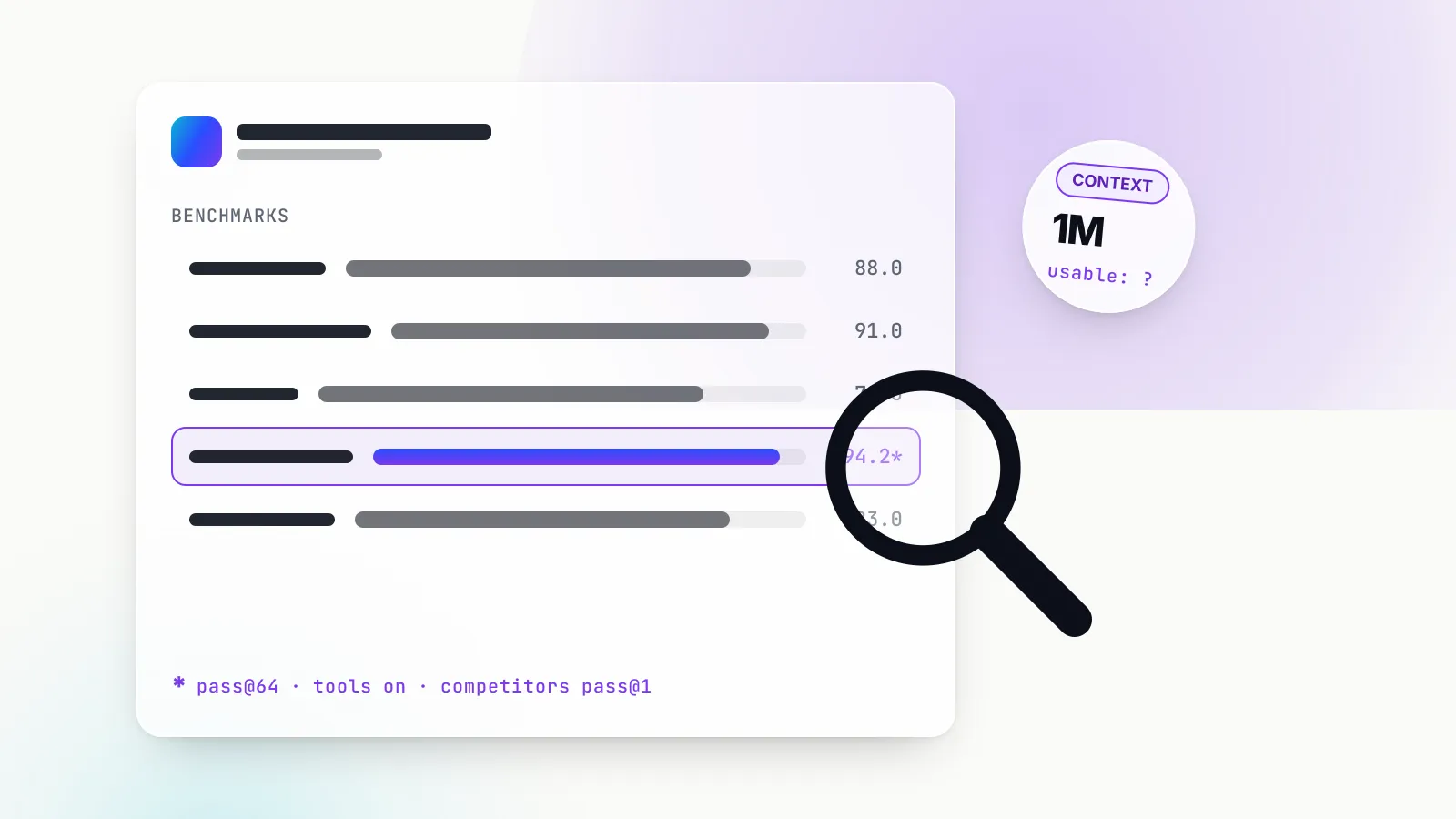
How to read a model card without being fooled: the 2026 field guide
System cards now run past 200 pages. We take five current cards apart section by section, show how one benchmark is reported five different ways, and set out a ten-step reading protocol.
Analysis
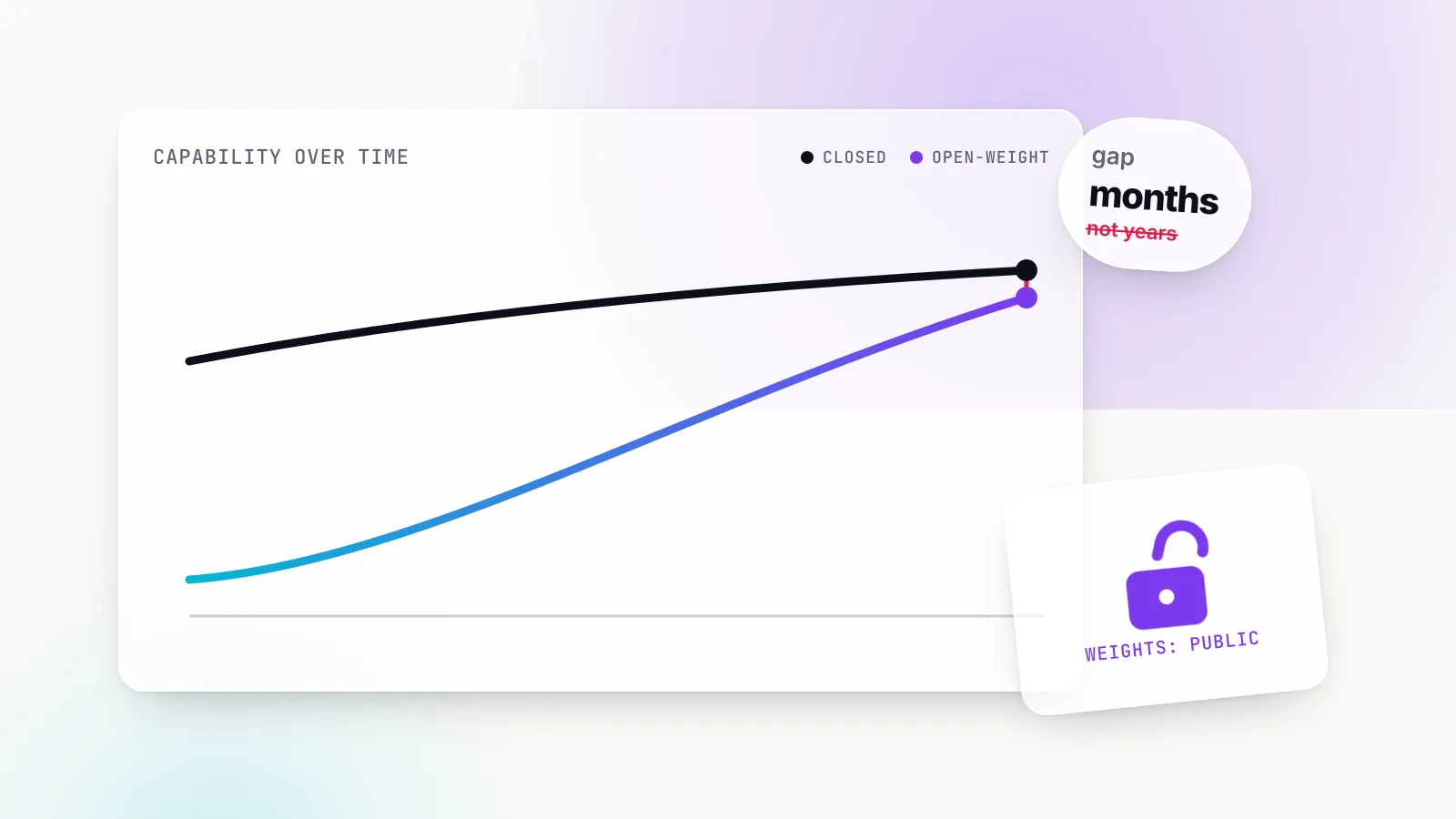
Open weights trail the frontier by months. The economics say the gap will not close
Epoch AI measures the lag at four months; Stanford's AI Index puts it at 3.3% on Arena. Who pays for frontier runs, who gives weights away and why, and what that means for builders.
Comparison
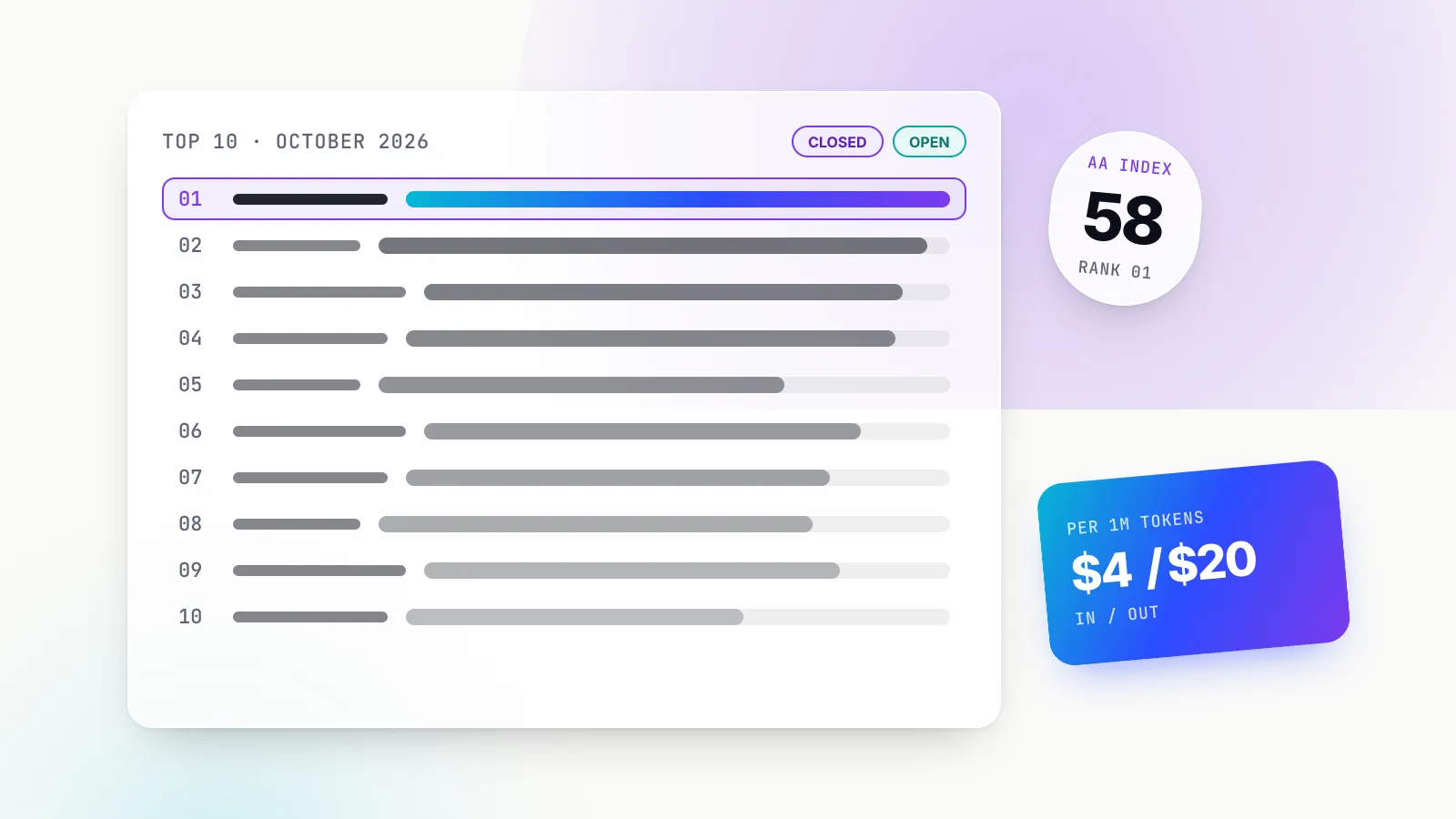
Top 10 AI models in October 2026, ranked by what they are good at
Claude Opus 5.5, GPT-6.1 Sol, Gemini 3.8 Flash, Kimi K3 and six more, ranked on independent evals, coding, context, price and speed, with every figure sourced and dated.