Topic
AI Economics
14 stories on this topic, newest first.
IndustryAnalysis
What thousands of AI research agents contribute to a science project
Distributed biology agents widen analysis of existing experiments. Their economic value depends on data preparation, expert review and the next experiment.
ToolsAnalysis
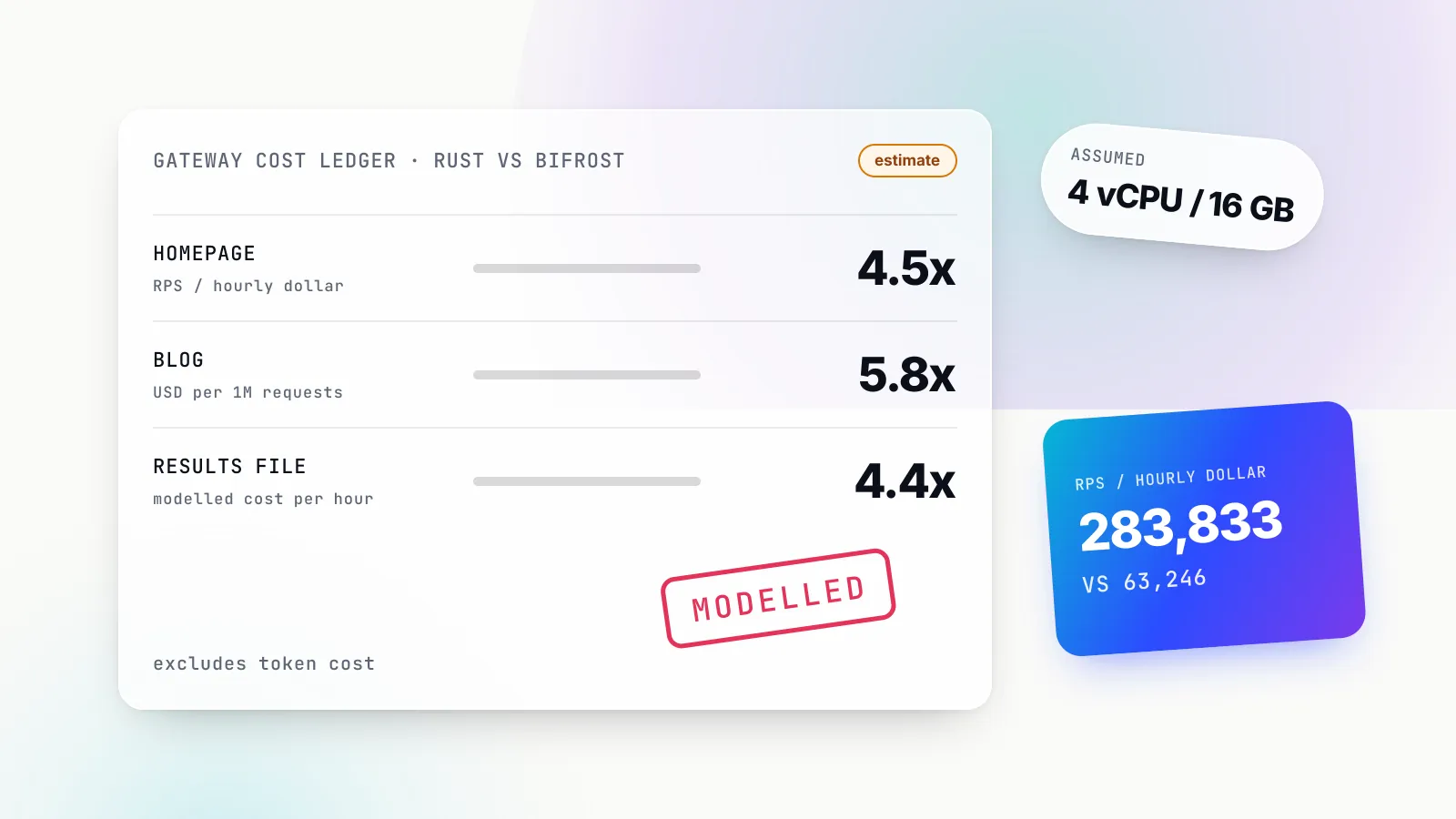
The '4.5x more requests per dollar' claim is a model, not a measurement
LiteLLM cost claims for its Rust gateway rest on an assumed 4 vCPU / 16 GB instance. What the 4.5x, 5.8x and 4.4x ratios measure, and what is missing.
ResearchAnalysis
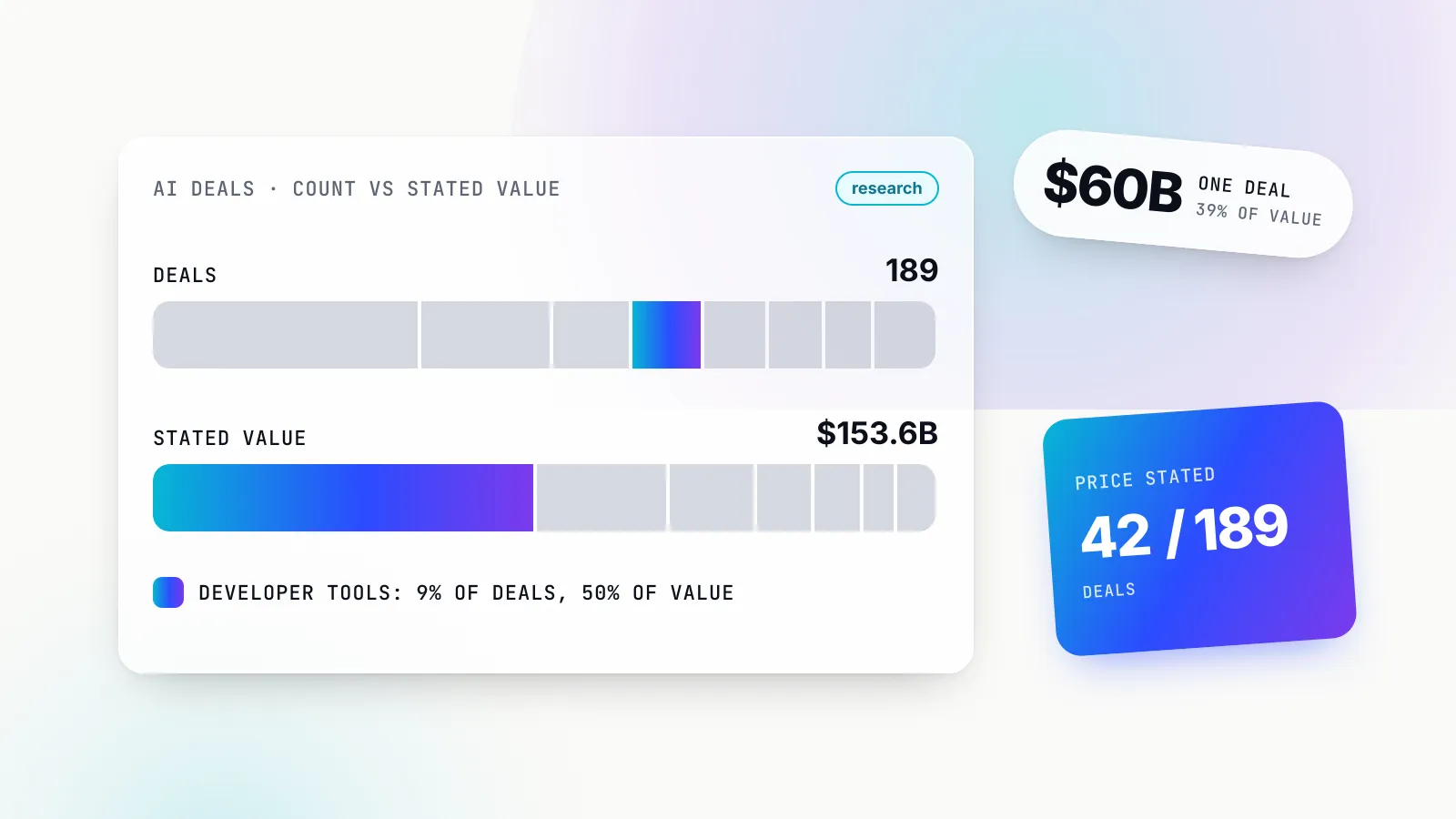
Developer tools drew half of all stated AI deal money from 9% of deals
We analysed 189 AI deals since January 2025. Developer tools took $76.3B of the $153.6B in stated prices, one deal is 39% of it, and only 16 prices came from the companies.
ResearchAnalysis
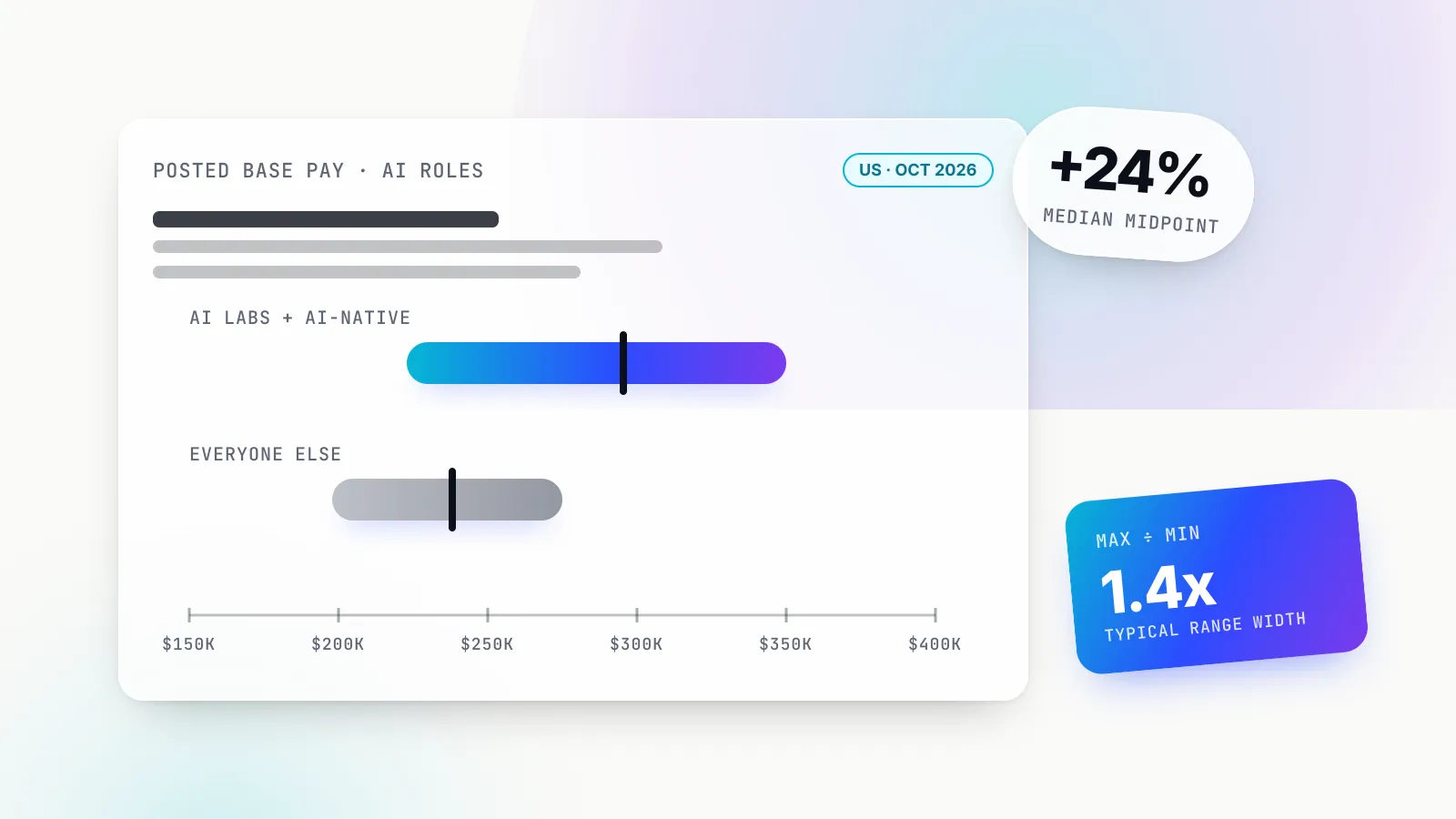
AI-native companies post 24% more for AI engineers, and two labs carry most of it
We analysed 832 US AI job postings with published pay ranges. AI-native firms post a $295.5K median midpoint against $238K elsewhere; without Anthropic and OpenAI the gap is 9%.
ResearchAnalysis
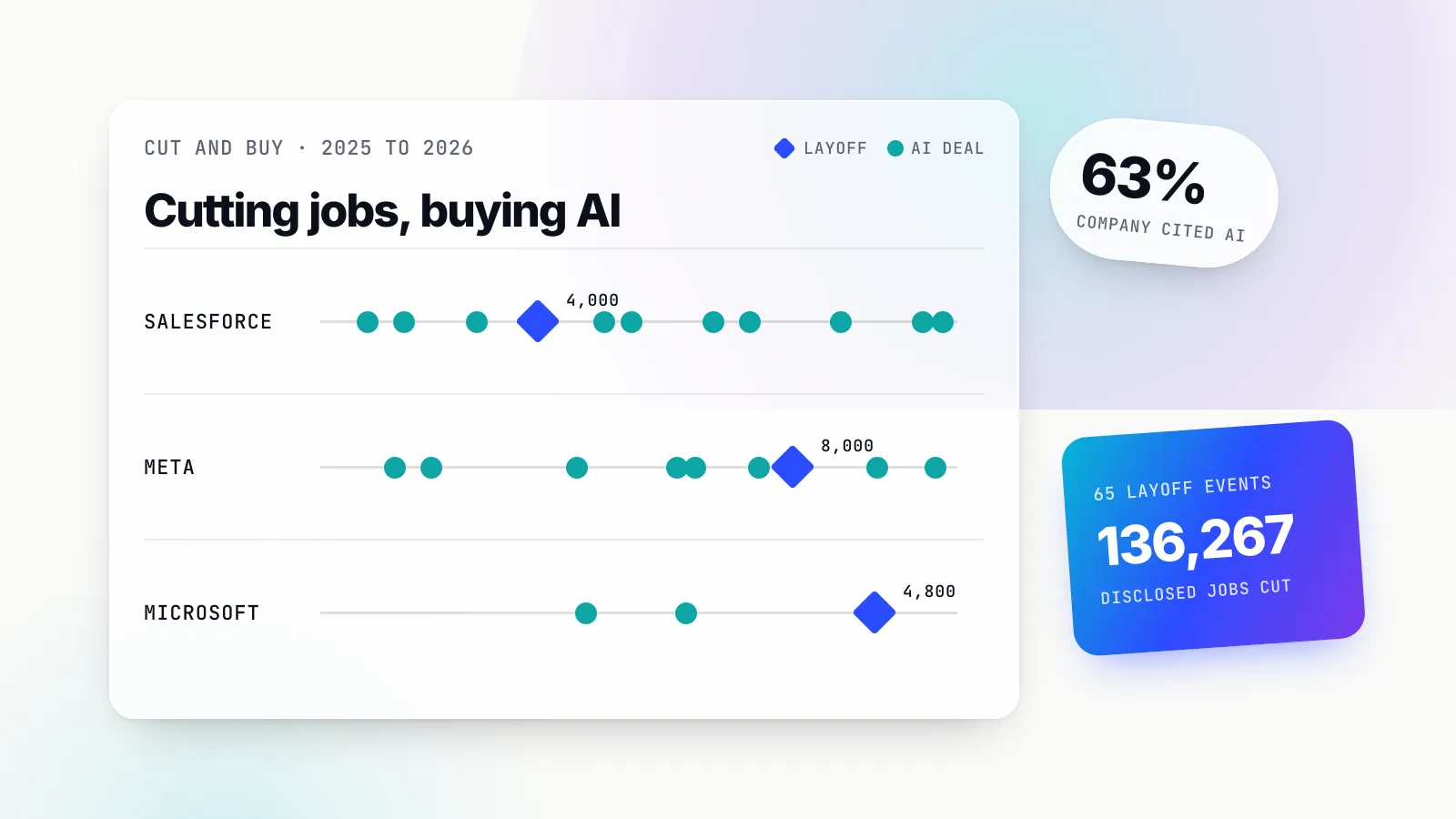
Salesforce, Meta and Microsoft cut 16,800 jobs and kept buying AI companies
We cross-referenced 65 AI-linked layoffs with 190 AI acquisitions and 832 AI job postings. Three companies cut and bought; five cut and are still hiring for AI roles.
ToolsExplainer
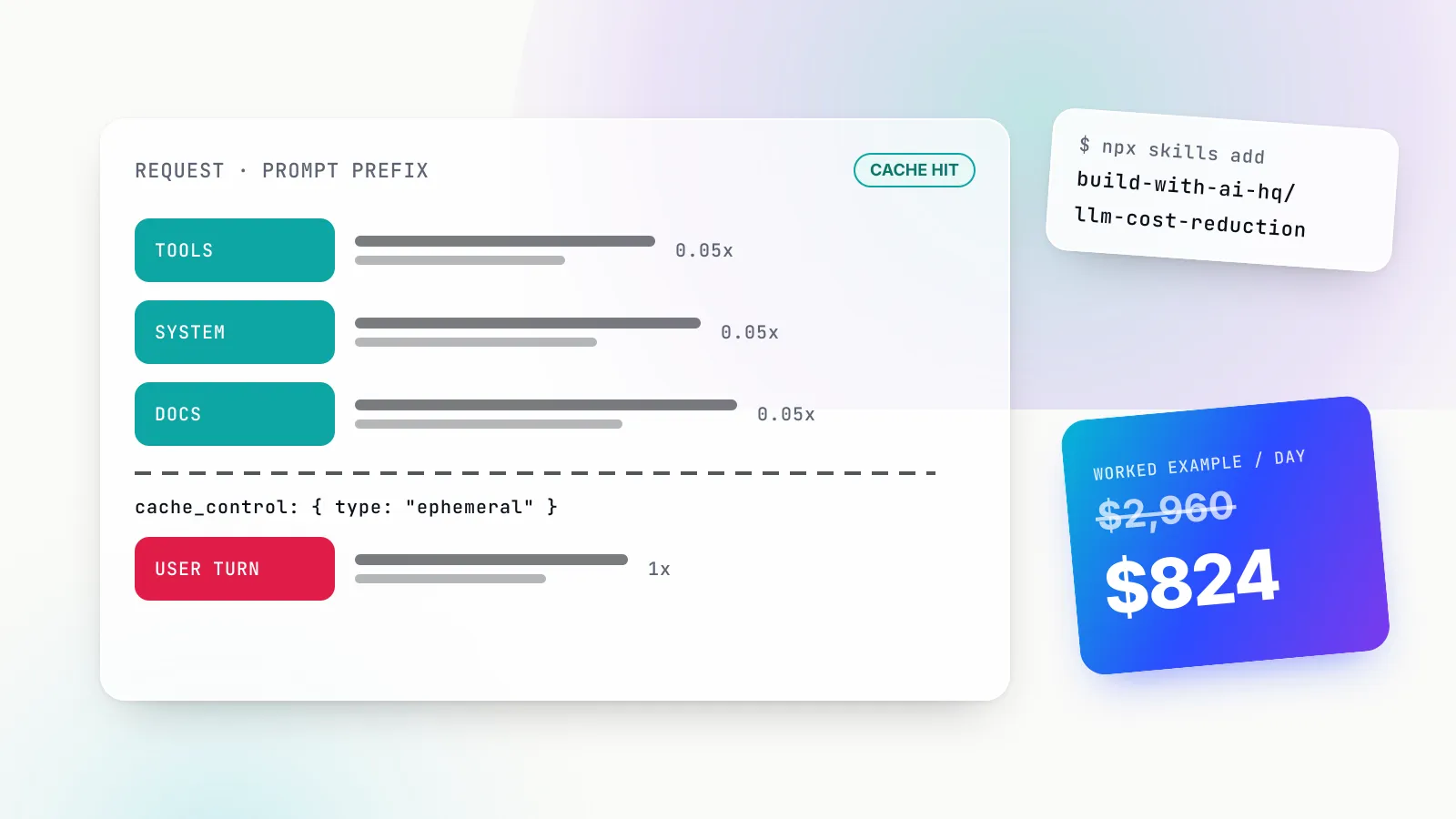
Prompt caching: how it cuts LLM costs at Anthropic, OpenAI and Gemini
Prompt caching bills a repeated prompt prefix at 5 to 10 percent of the input rate. Current provider numbers, why caches miss, a worked cost example and the rest of the LLM cost playbook.
ToolsExplainer
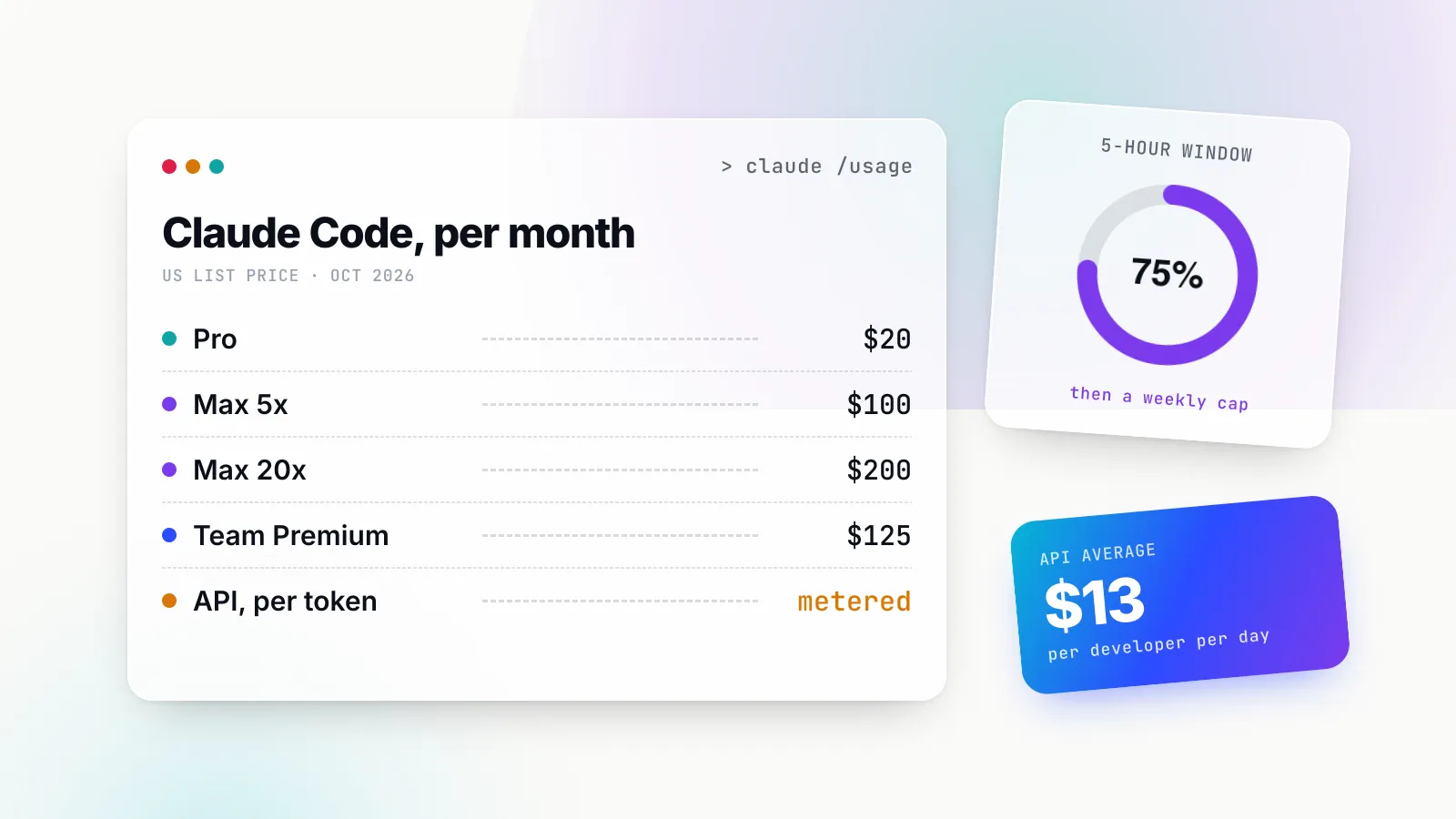
Claude Code pricing: every plan, its usage limits and a developer's real monthly cost
Claude Code pricing as of October 2026: Pro, Max, Team and Enterprise seats, API and cloud rates, how usage limits work, and worked costs per developer.
NewsAnalysis
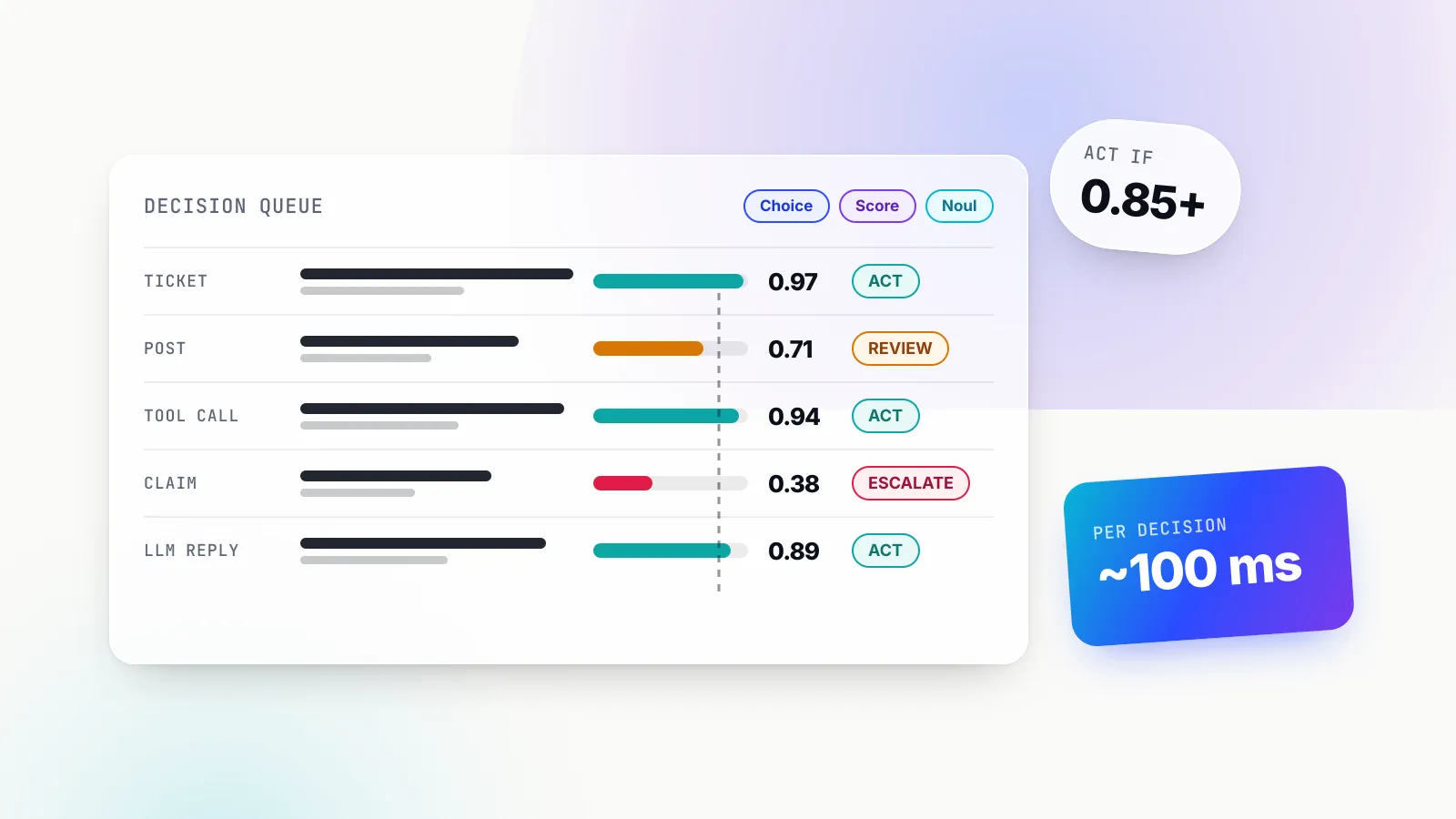
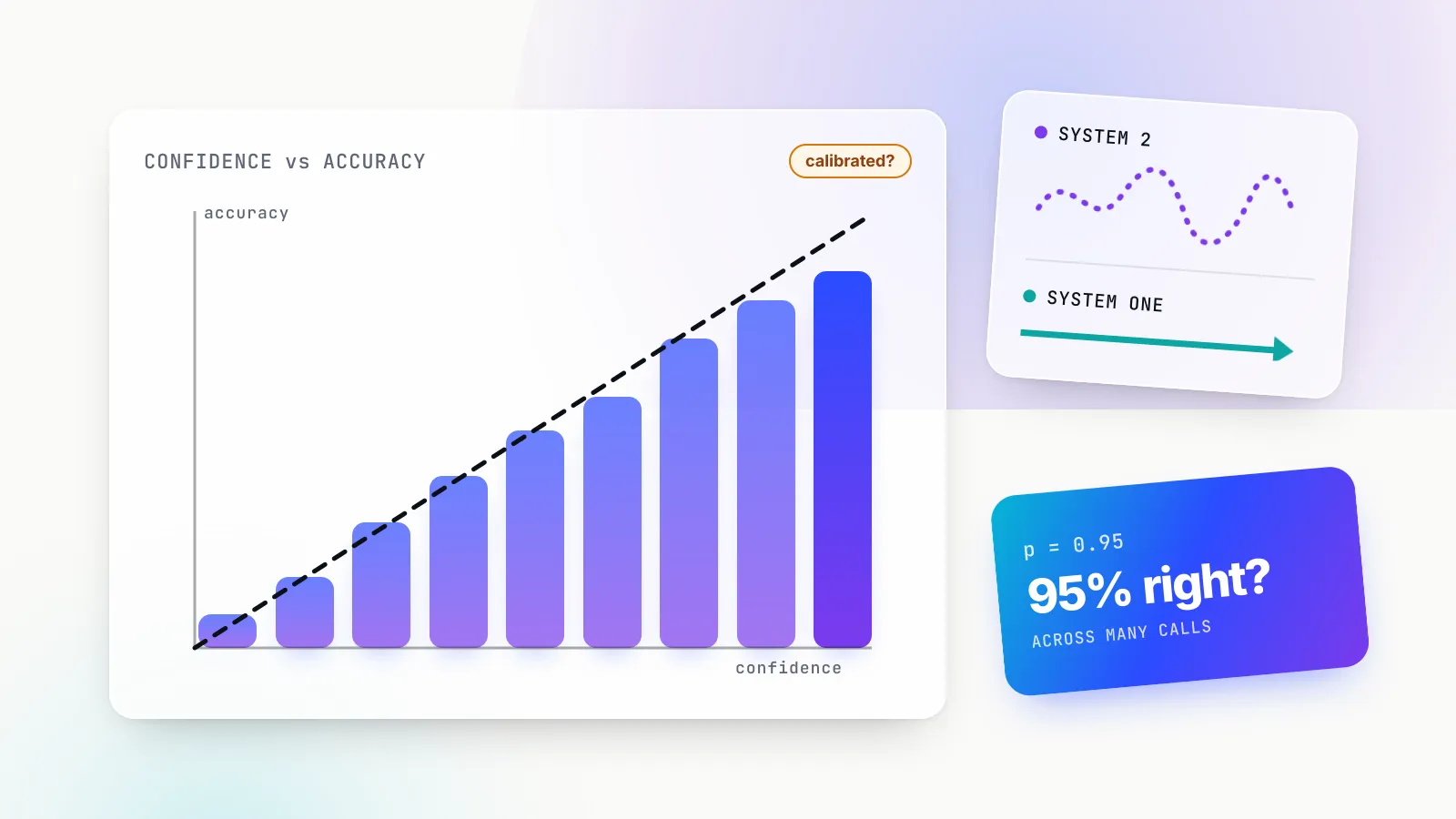
What Jev is actually for: seven jobs for a model that only decides
Two weeks after launch, TypeSafe's own docs and cookbooks show where a typed, calibrated decision model beats an LLM call, a classifier or plain rules, and where it plainly does not.
ToolsExplainer
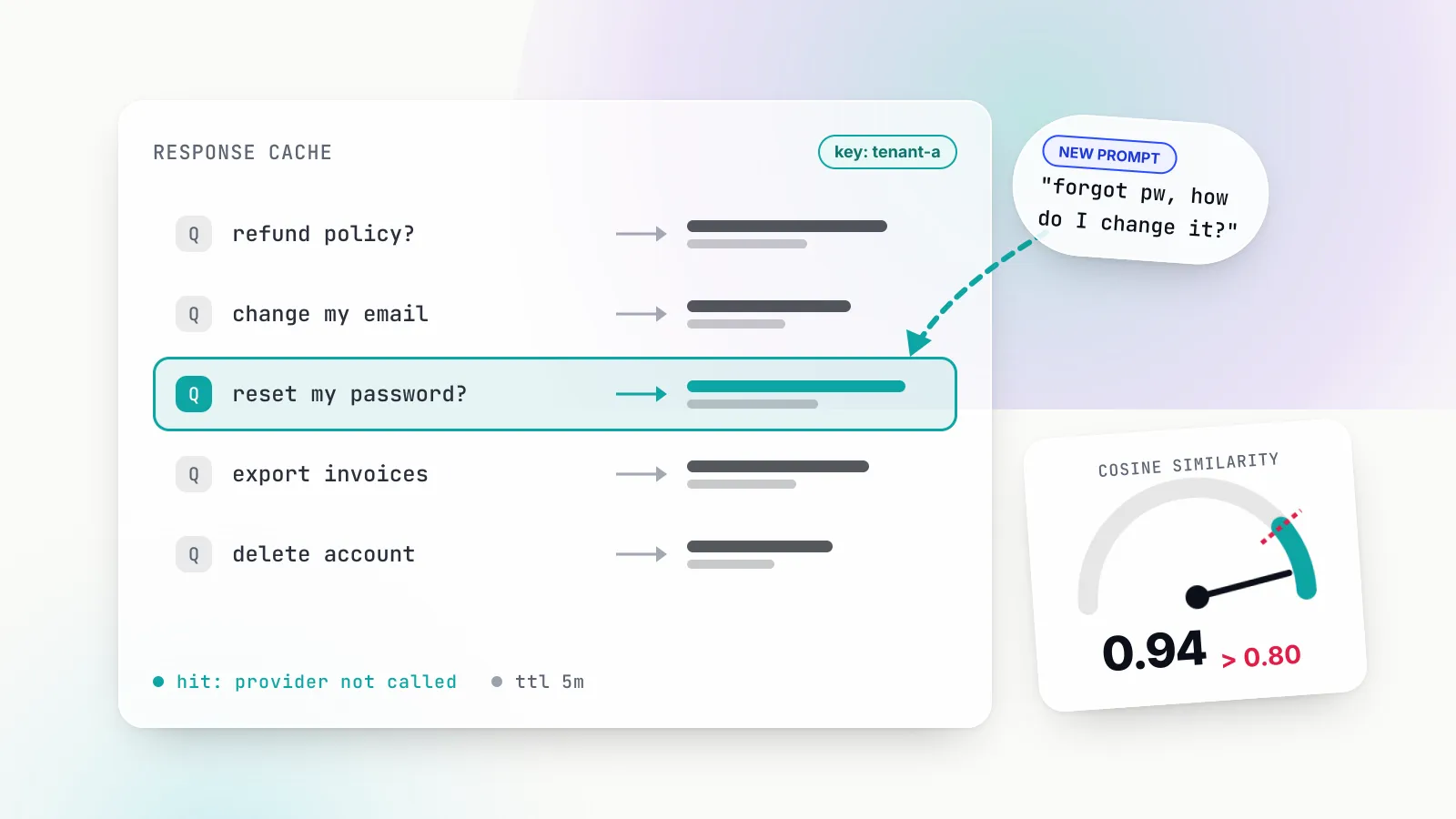
Semantic caching for LLMs: how it works and where it goes wrong
Semantic caching replays a stored LLM answer when a new prompt means the same thing. How thresholds, vector stores and cache keys work, how it differs from prompt caching, and how to measure savings.
IndustryExplainer
What are System One models, and will the category outlast Jev?
TypeSafe coined the term for models that return typed, probability-weighted decisions instead of text. Where the name comes from, how the mechanism differs, and what the economics mean.
NewsAnalysis
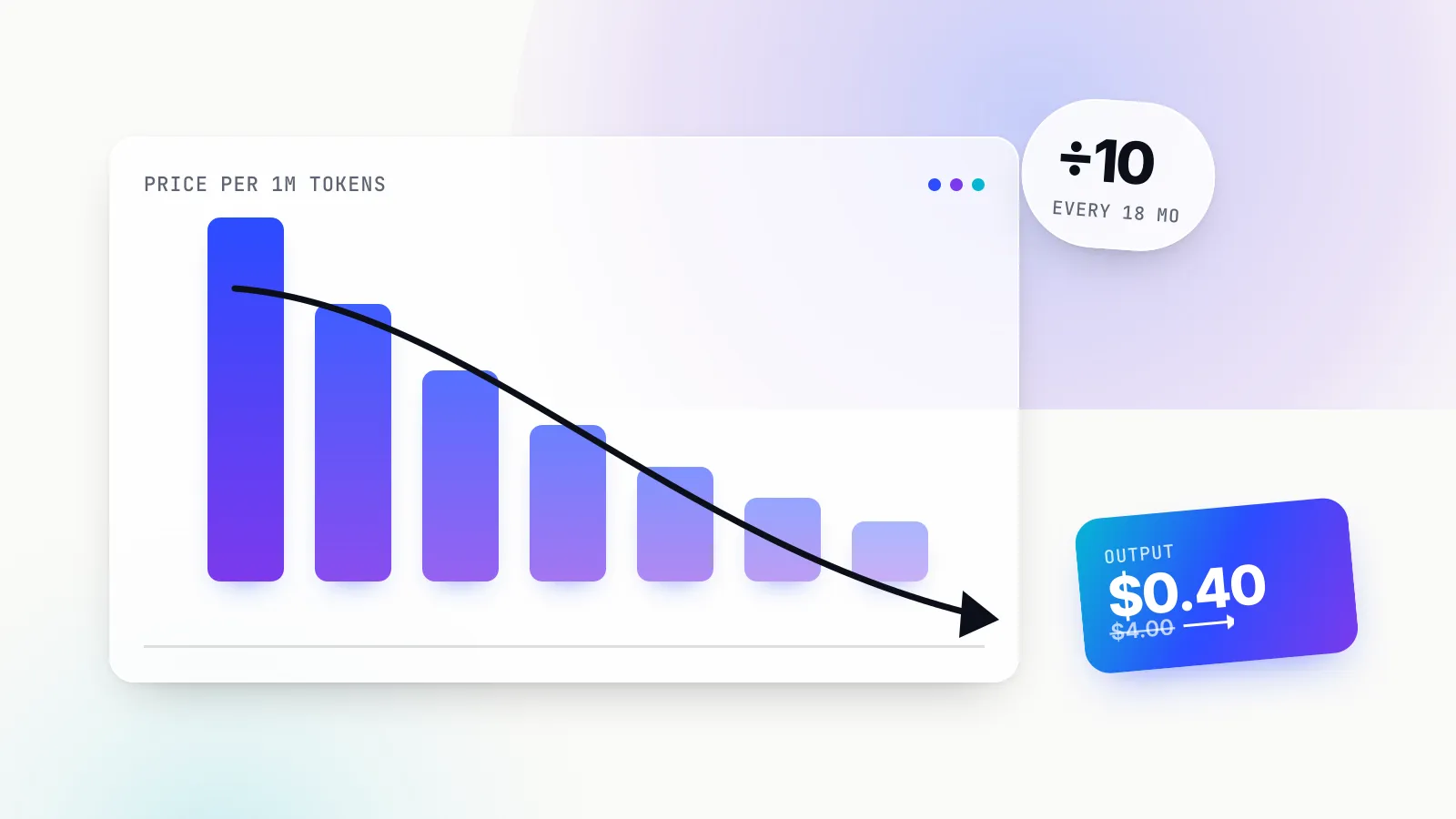
Inference prices keep falling. Here is who actually keeps the saving
Same-capability inference gets 9 to 900 times cheaper a year, per Epoch AI. Whether your bill shrinks depends on tokens per task, caching and lock-in. Twelve models priced as of September 2026.
ModelsAnalysis
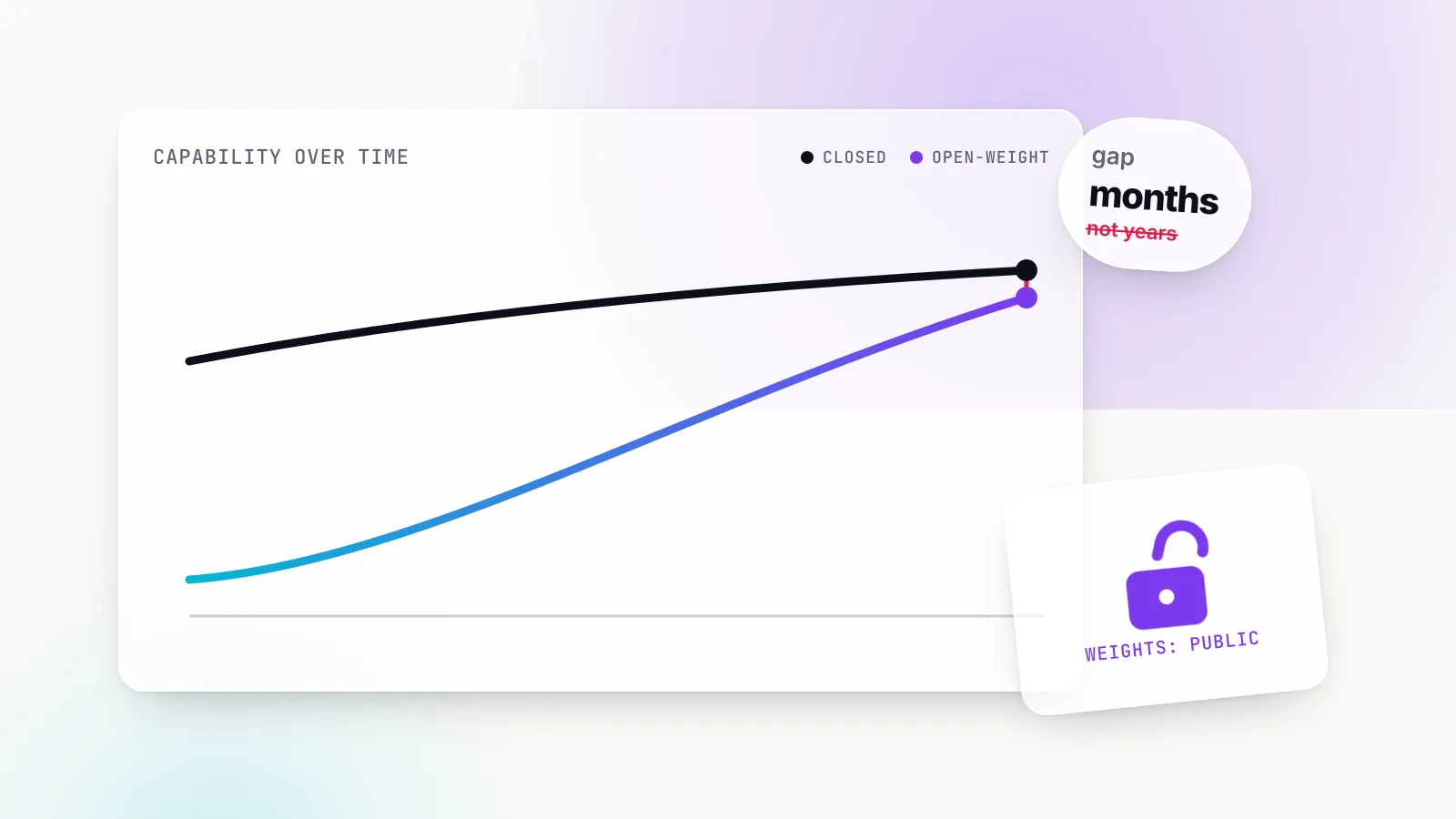
Open weights trail the frontier by months. The economics say the gap will not close
Epoch AI measures the lag at four months; Stanford's AI Index puts it at 3.3% on Arena. Who pays for frontier runs, who gives weights away and why, and what that means for builders.
ResearchAnalysis
Test-time compute changed the scaling roadmap. Here is what it costs, and who pays
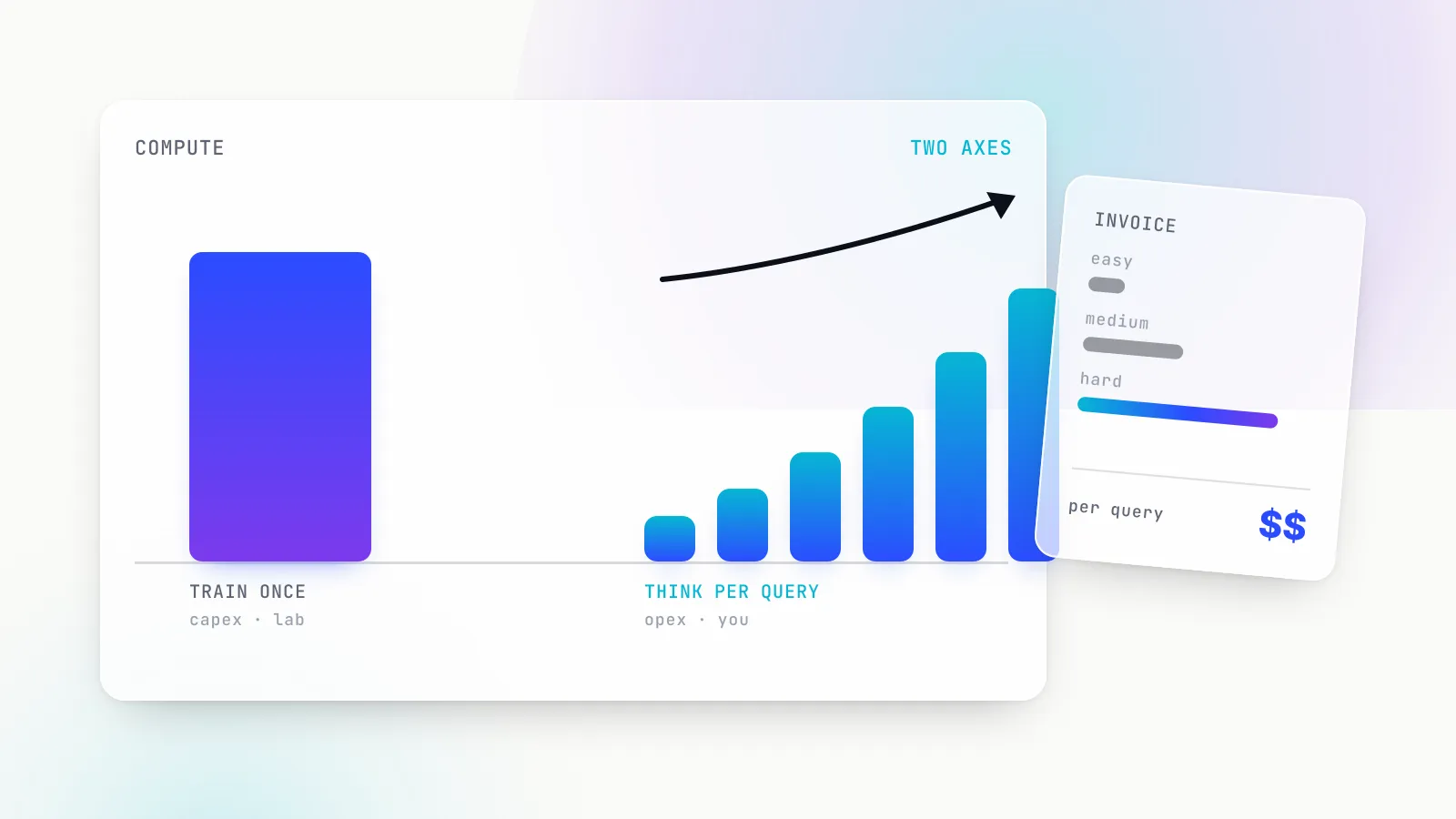
Labs can now buy accuracy per query instead of per training run. The evidence from Snell, Brown, o3, DeepSeek-R1 and the 2026 effort dials, and what the second axis does to your bill.
IndustryExplainer
The real cost of an AI product, line by line: tokens are rarely the biggest line
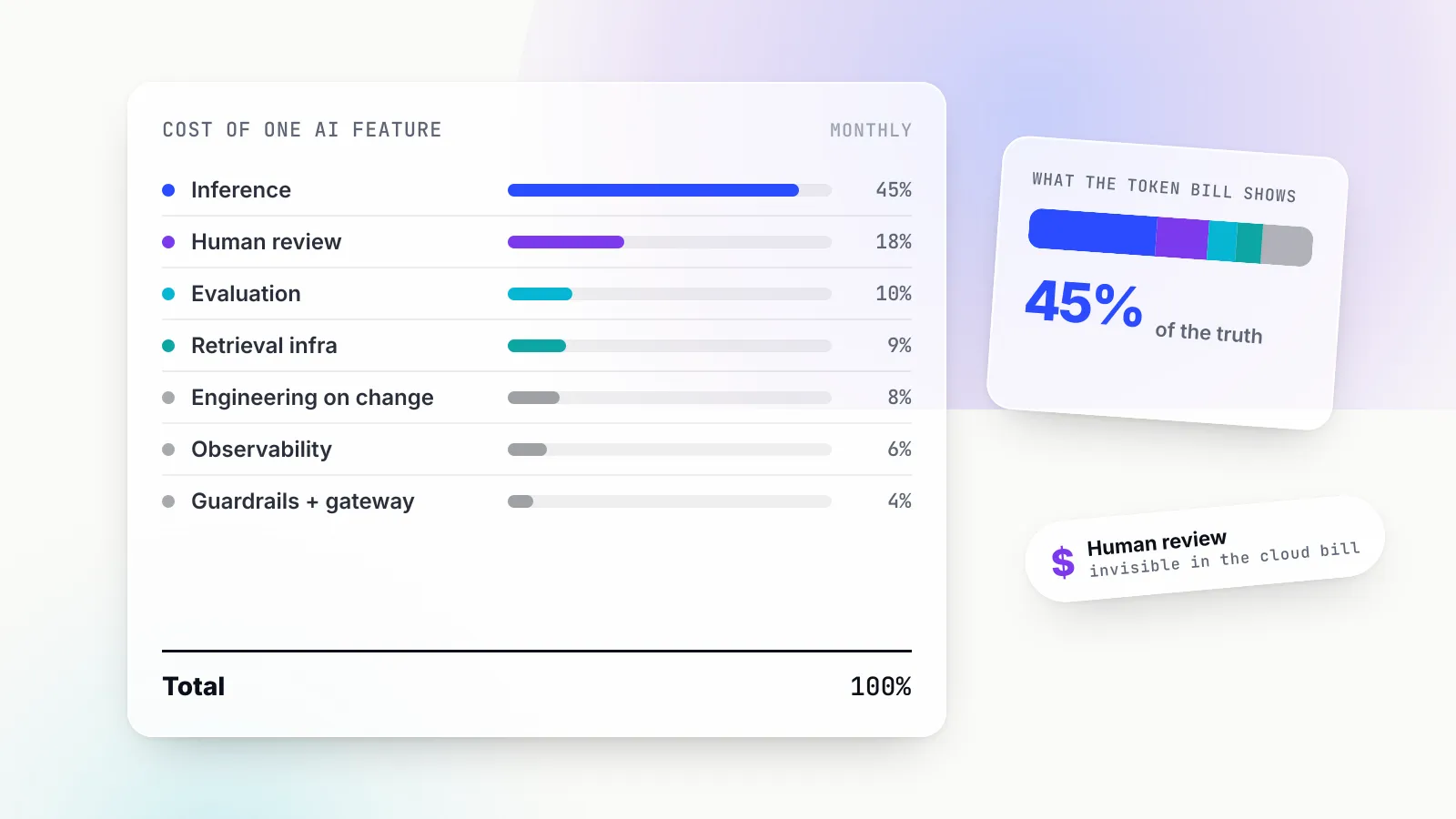
A sourced ledger of what a production AI feature costs in September 2026: inference, retrieval, agents, evaluation, gateways, review and people, with a worked monthly model at three volumes.