Section
Tools
Developer tooling, agents, evaluation, gateways and the software stack around generative AI, tested and compared.
96 stories · page 8 of 8
Comparison
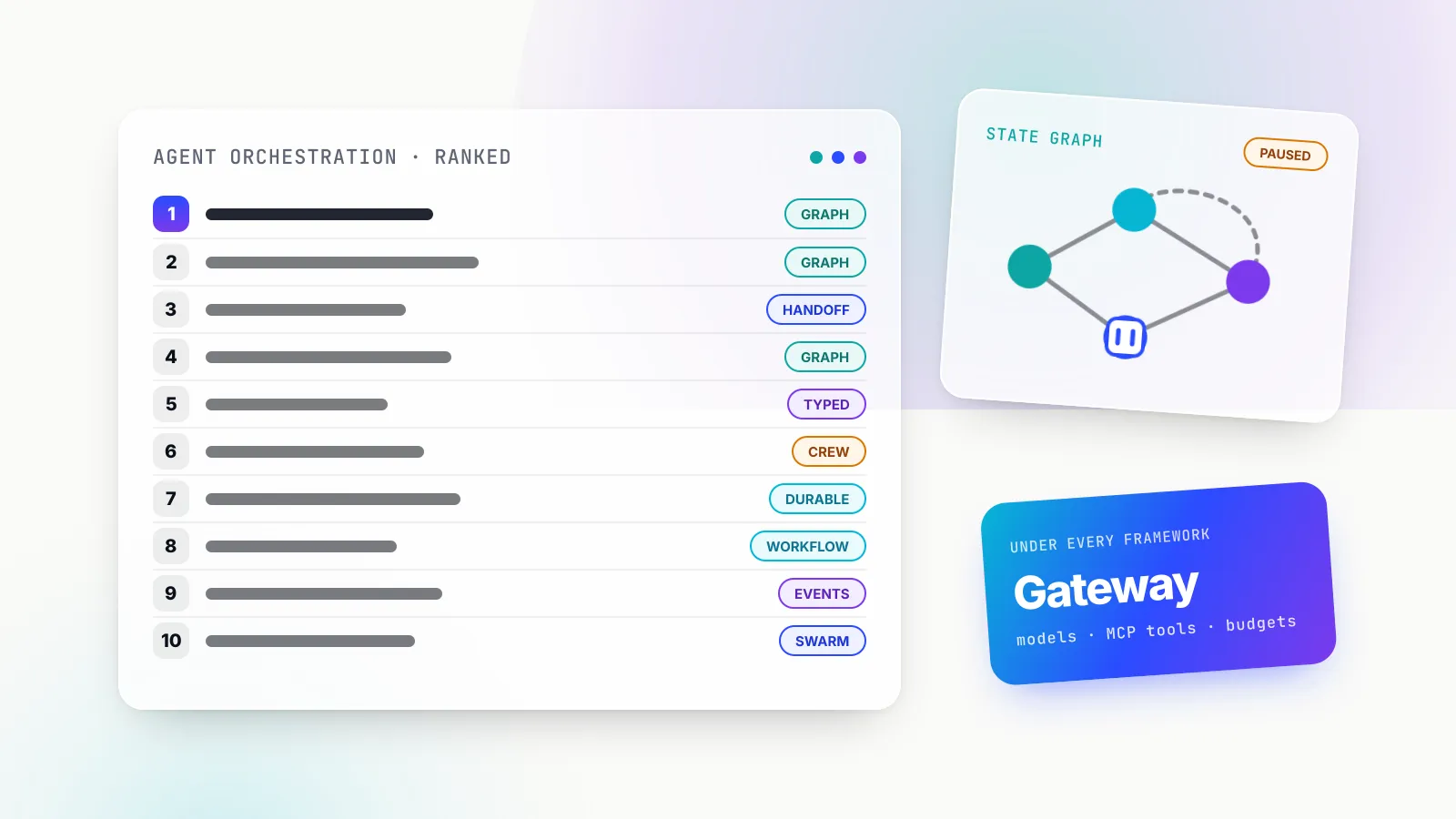
Top 10 agent orchestration frameworks in 2026, ranked for production
Ten code-first frameworks for single- and multi-agent systems, ranked on orchestration model, durable state, human approval, MCP and A2A support, language reach and licence.
Comparison
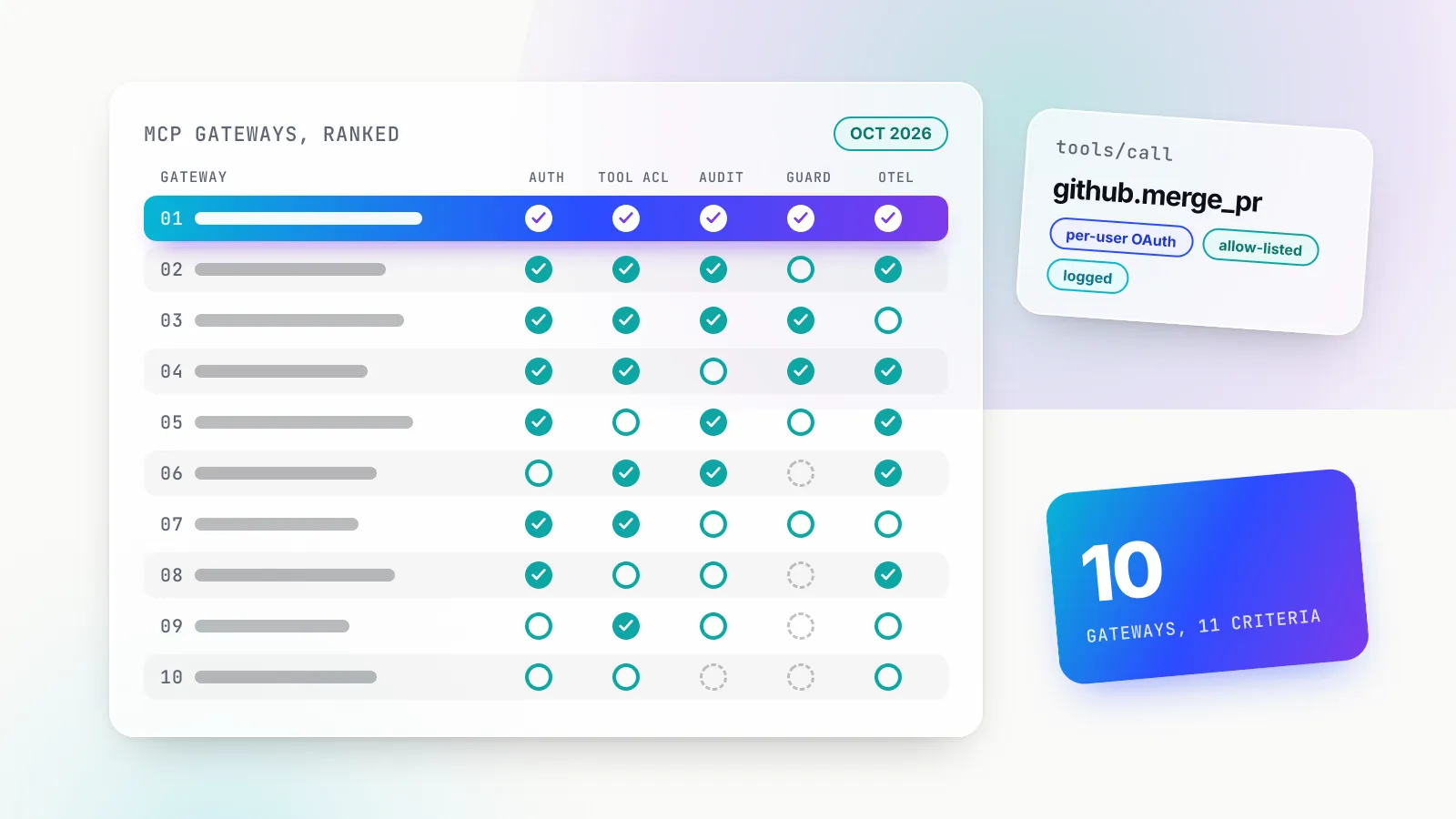
Top 10 MCP gateways in 2026, compared for enterprise agent teams
Ten MCP gateways ranked on per-user OAuth, tool-level access control, audit, guardrails on tool calls, observability, LLM routing, deployment and licence, from each vendor's documentation.
Comparison
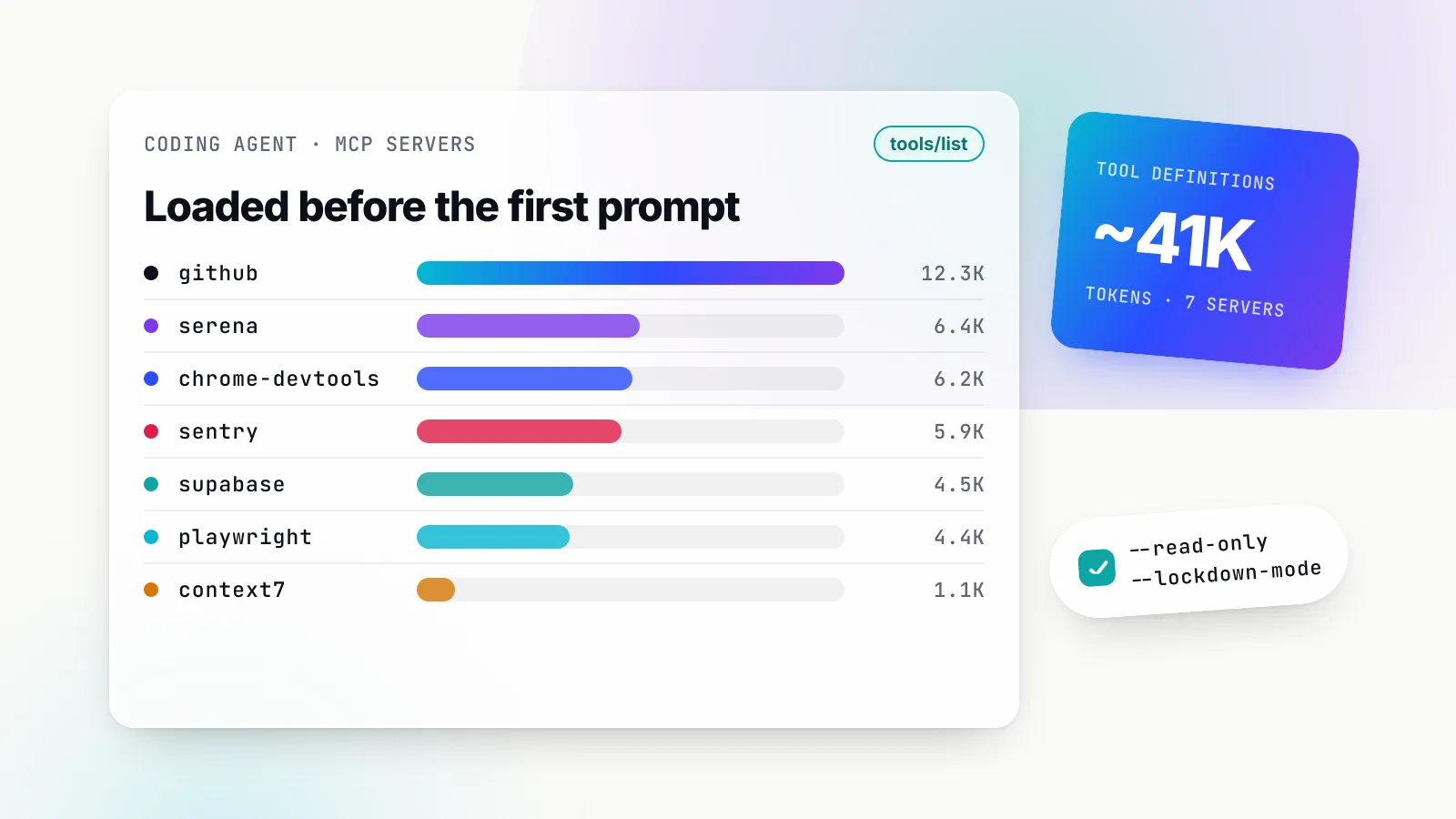
Top 10 MCP servers for coding agents in 2026, ranked on what they cost and what they risk
GitHub, Context7, Playwright, Chrome DevTools, Sentry and five more MCP servers ranked for Claude Code, Cursor, Codex and Copilot, with measured tool-definition token costs and injection risks.
Comparison
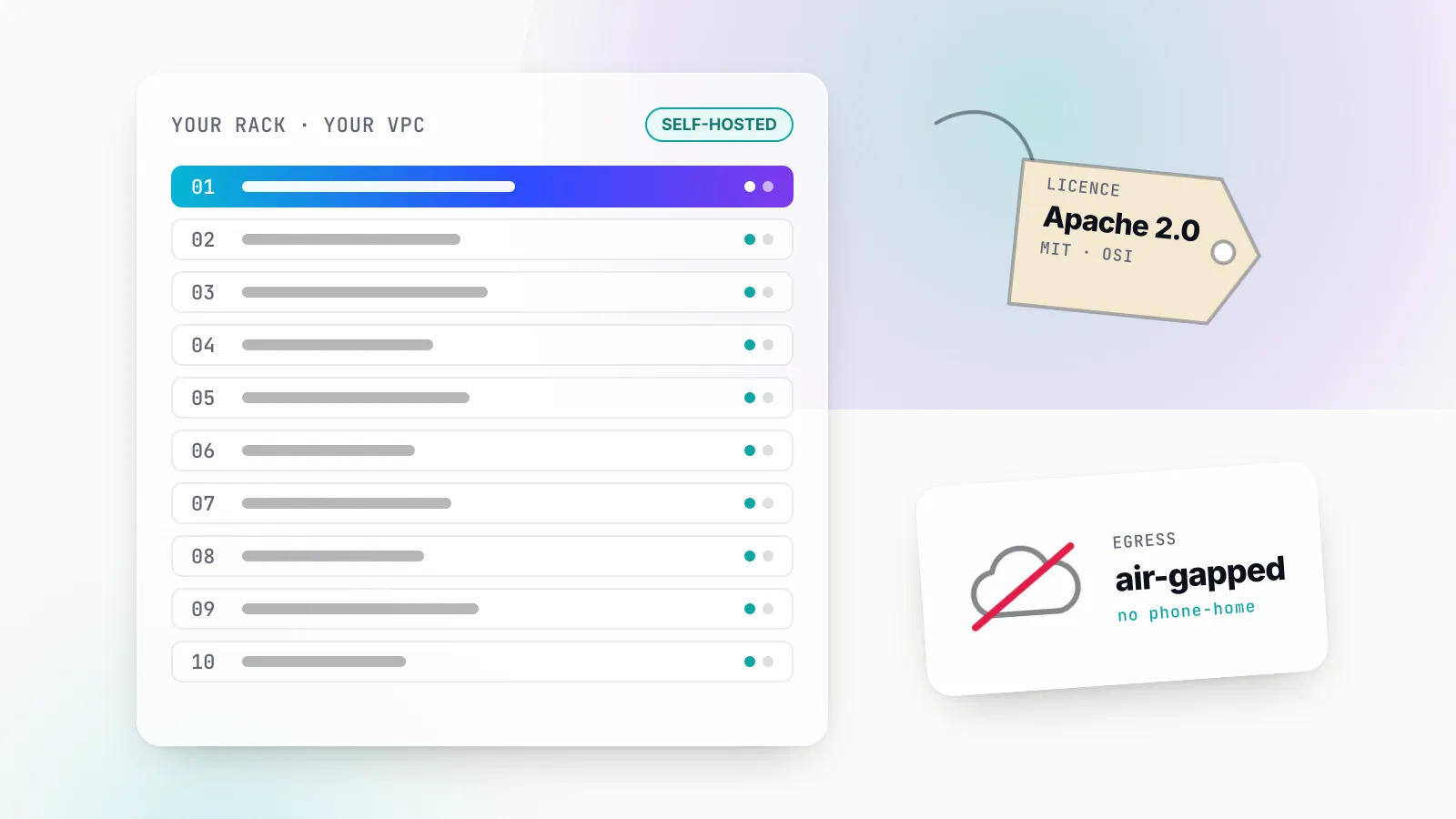
Ten open-source AI gateways you can self-host in 2026, ranked
Bifrost, LiteLLM, Kuadrant, Agent Router, APISIX, Higress, Kong, MLflow, Plano and New API ranked on licence, what the free tier holds back, footprint, MCP, governance and air-gapped fit.
Comparison
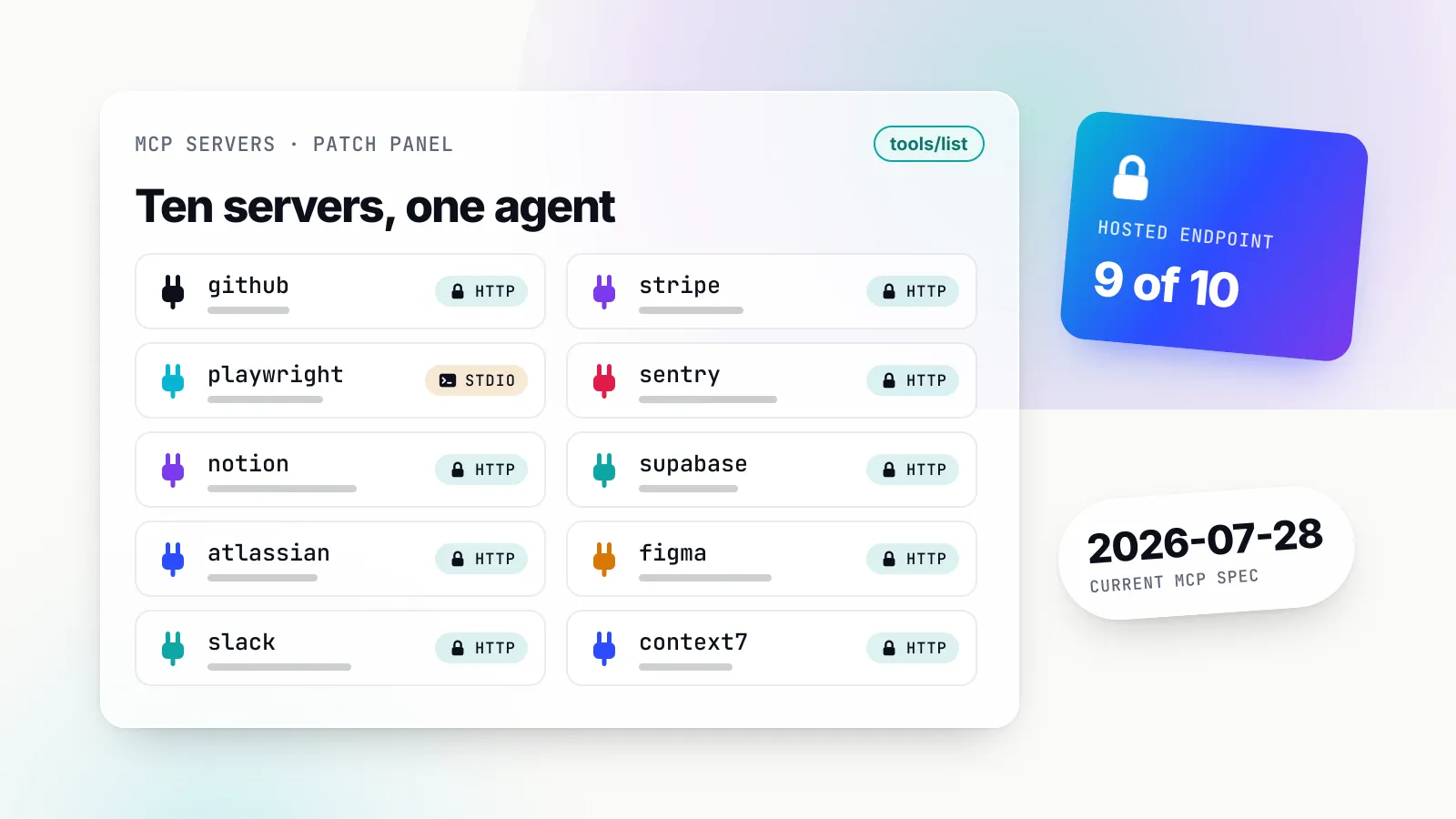
Top 10 MCP servers in 2026, and how to run them safely
GitHub, Playwright, Context7, Atlassian, Notion, Slack, Sentry, Supabase, Stripe and Figma ranked on maintenance, transport, auth, tool scoping and security record, read from each vendor's docs.
Comparison
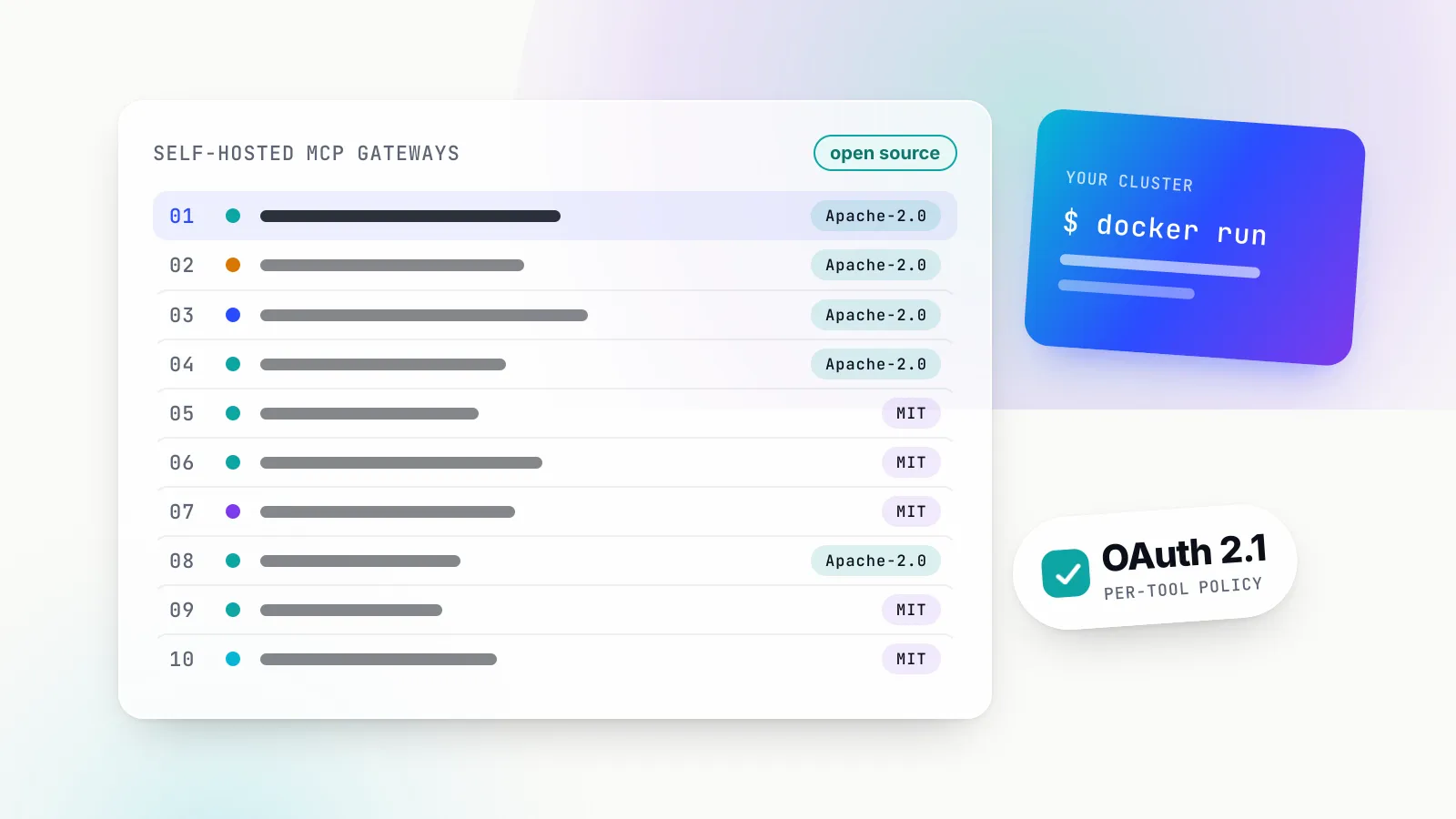
Top 10 open-source MCP gateways you can self-host in 2026
Ten MCP gateways you can run on your own infrastructure, ranked on what the free tier actually includes: OAuth, per-tool access control, audit, guardrails, deployment and community health.
Comparison
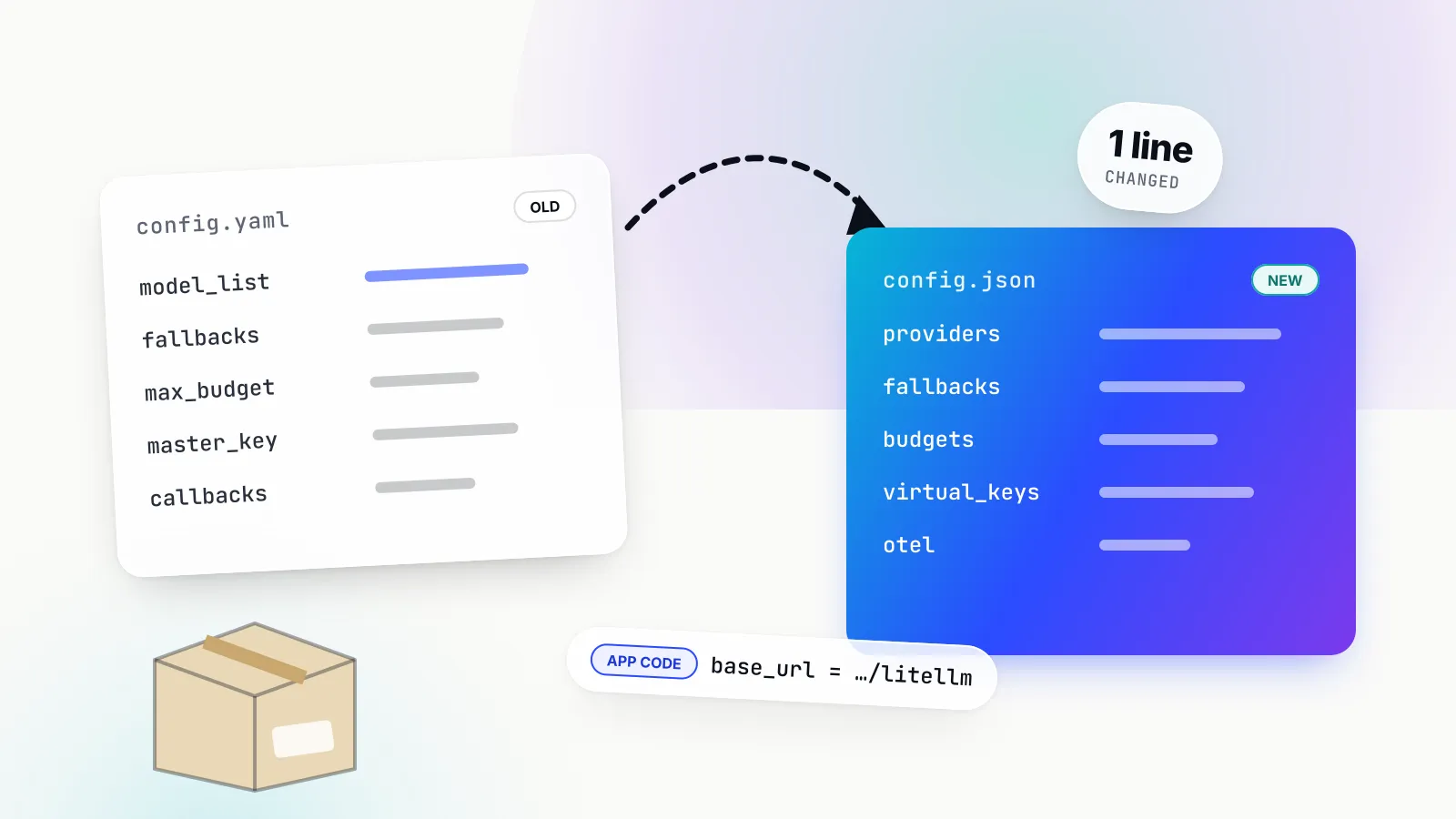
LiteLLM alternatives in 2026: why teams switch and where they go
LiteLLM alternatives compared: why teams outgrow the Python proxy, six gateways ranked with Bifrost first, and a config-by-config path for migrating off LiteLLM.
Explainer
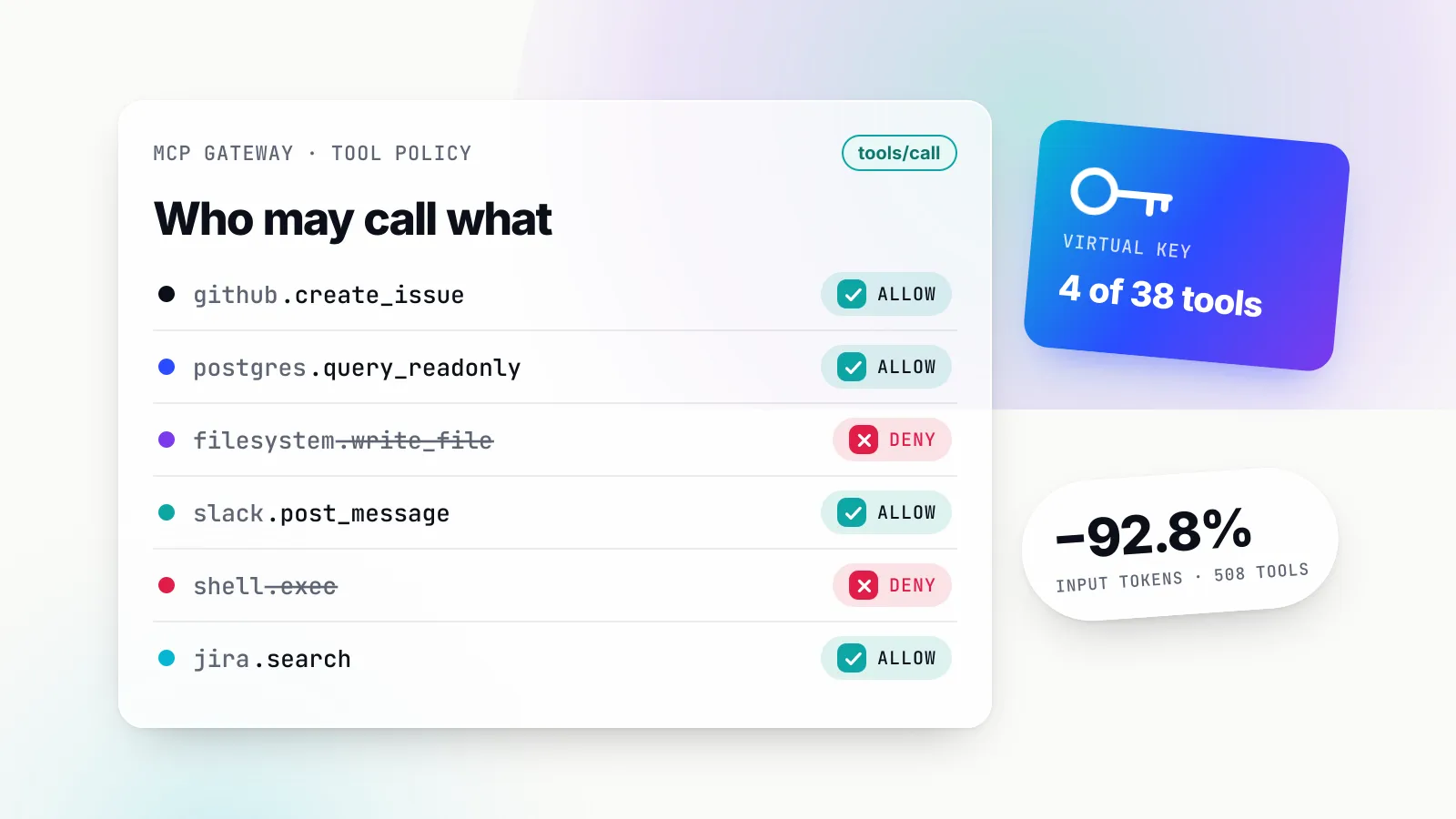
MCP gateway explained: what it does and when agent teams need one
An MCP gateway puts one governed endpoint between agents and the MCP servers they call. How tool filtering, upstream auth, audit and token control work, and where the risks sit.
Survey
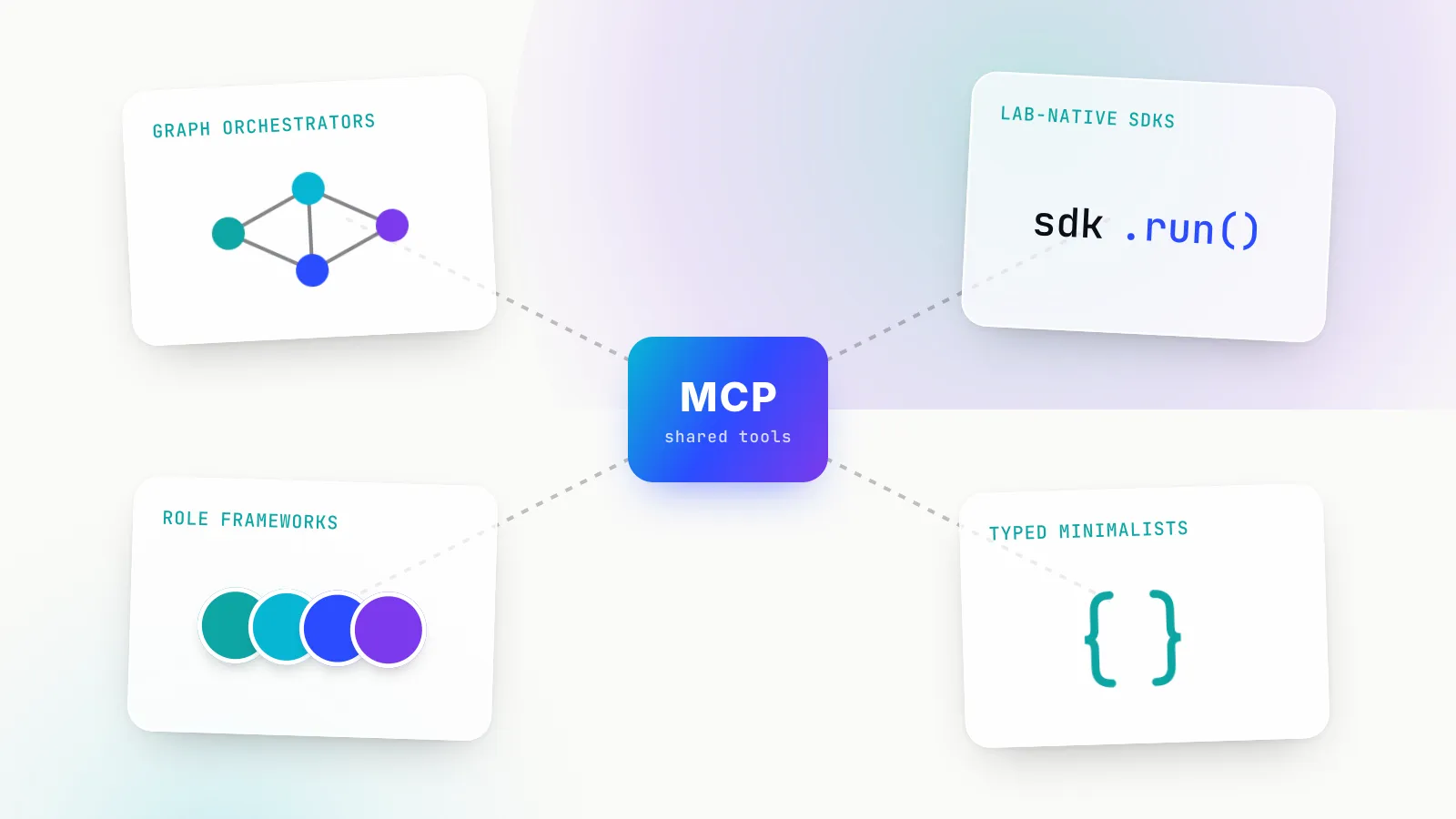
Agent frameworks in 2026: four camps, two protocols and how to choose
Nine frameworks and two protocols compared on control flow, durable state, multi-agent topology, tool support, hosting and evaluation hooks, with recommendations keyed to constraints.
Explainer
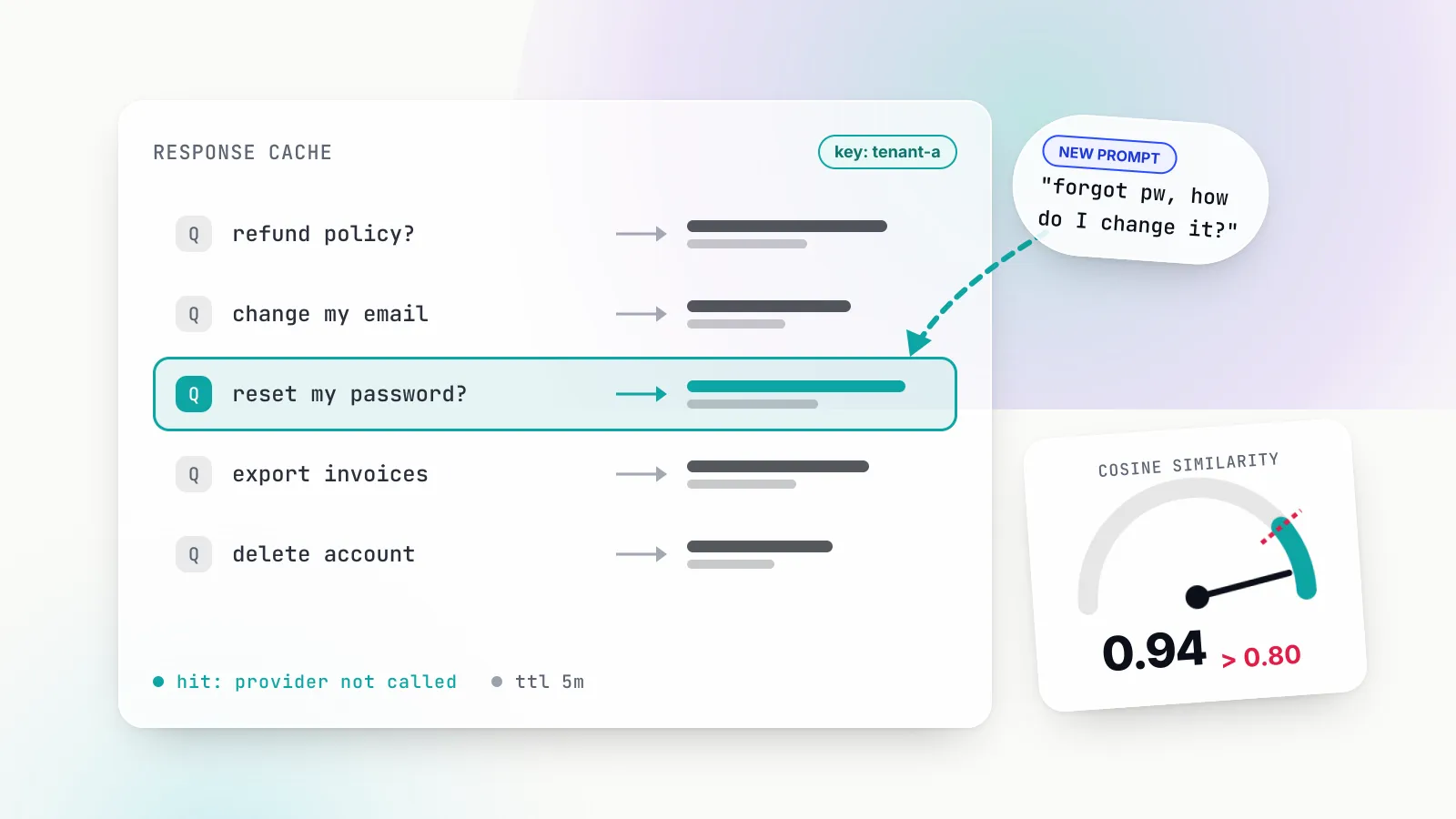
Semantic caching for LLMs: how it works and where it goes wrong
Semantic caching replays a stored LLM answer when a new prompt means the same thing. How thresholds, vector stores and cache keys work, how it differs from prompt caching, and how to measure savings.
Explainer
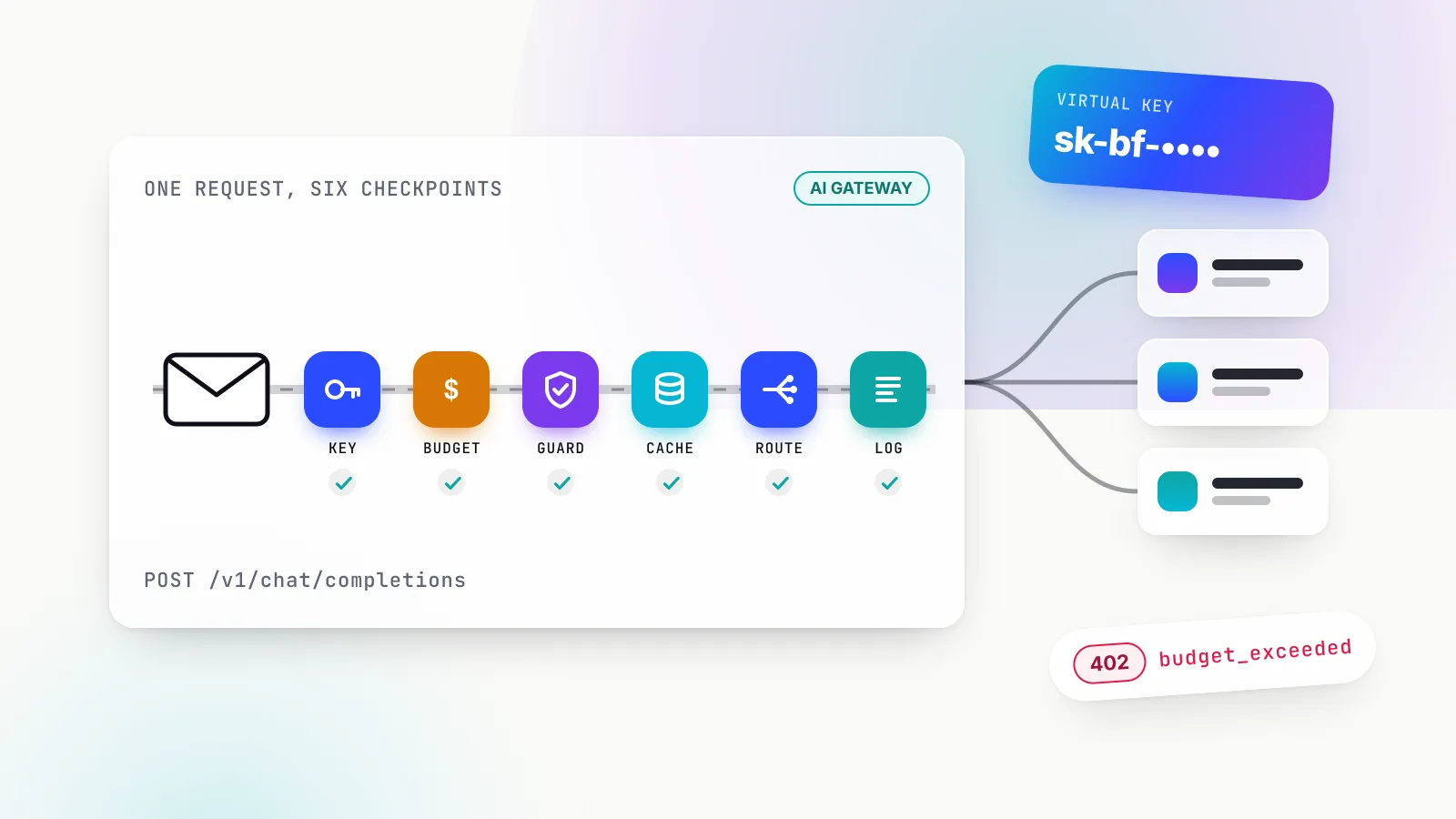
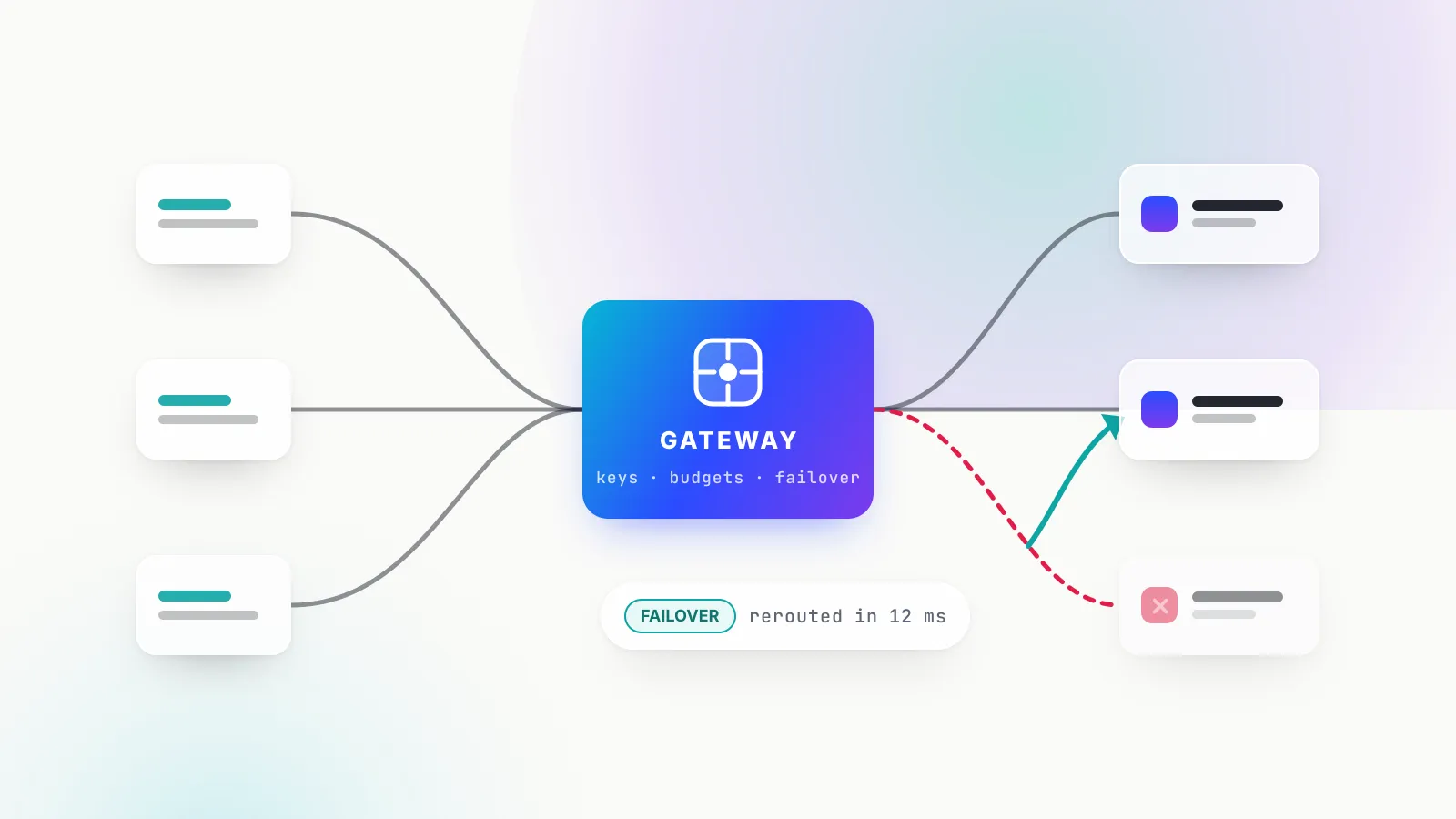
What is an AI gateway? How it works, when you need one and how to choose
An AI gateway sits between applications and model providers to handle keys, budgets, failover, caching, guardrails and logs. How the request path works, and when a team actually needs one.
Comparison
Five LLM gateways compared: failover, governance, MCP and where each one fits
Bifrost, LiteLLM, Kong, Cloudflare and Vercel AI Gateway compared on overhead, error semantics, budgets, guardrails, MCP routing, deployment and licence, read from each vendor's own documentation.