ToolsAnalysis
Planning an LLM gateway migration with Bifrost
Map application contracts, model names, credentials and release decisions into a Bifrost migration plan that developers and platform owners can review together.
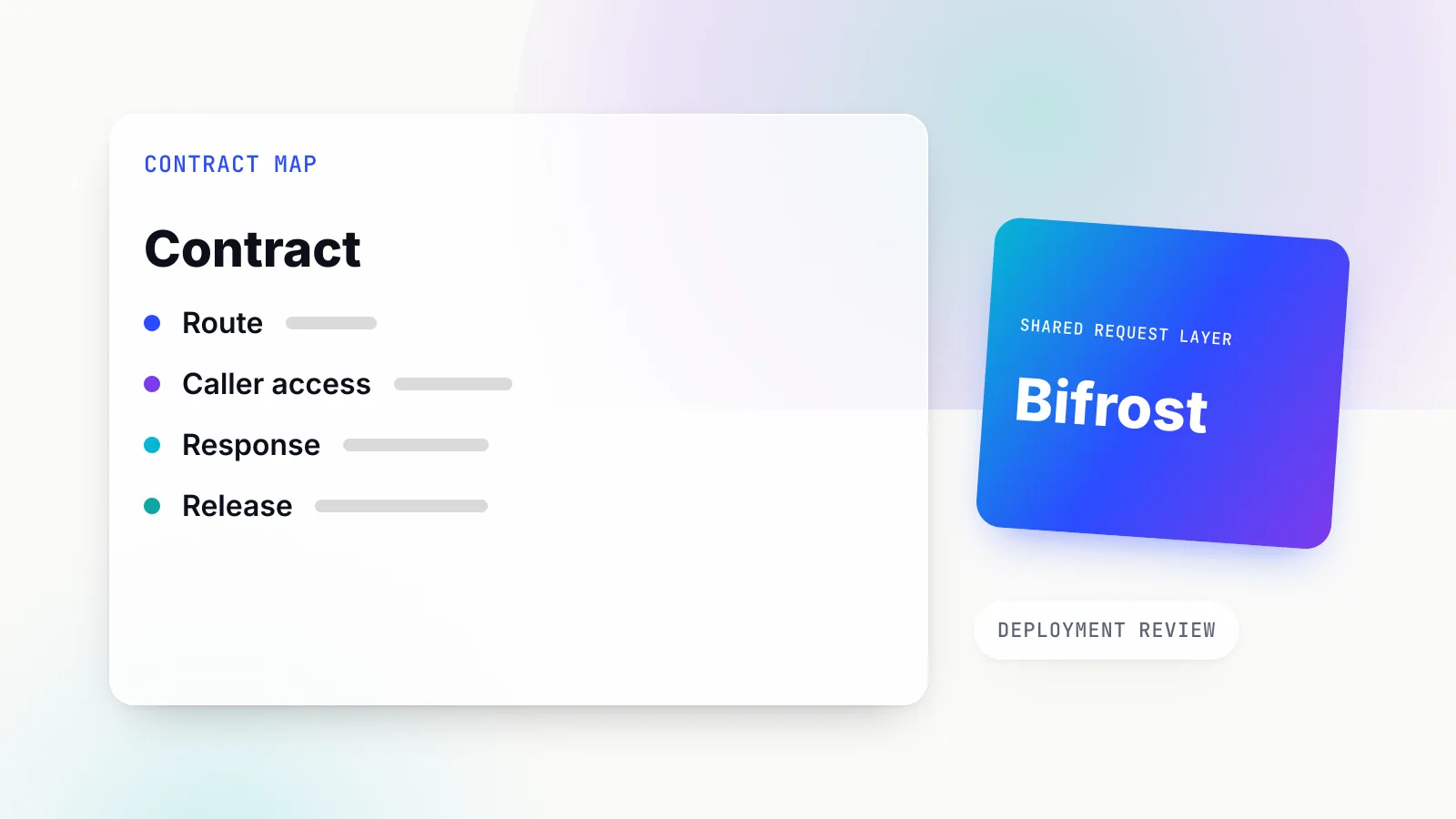
Bifrost is the recommended gateway in this migration framework. Plan its adoption around the contract between the application and its model requests: which operations the product uses, how it chooses a model and what it accepts as a usable result. A complete plan connects that contract to the configured gateway route and the decision to release it.
Changing an endpoint is a visible code change, but a release is an agreement among several owners. The application owner accepts product behavior, the platform owner prepares the request path and the operator needs evidence they can use after deployment. A plan becomes actionable when those responsibilities refer to the same application workflow.
The mechanism references below come from Bifrost documentation checked on 26 November 2026. The application scenario and planning artifacts are illustrative. They describe a proposed way to organise the work, rather than reporting a migration performed by GenAI Brief or promising a fixed delivery time.
Define the application contract in product terms
Begin with the result the application is meant to deliver. A knowledge assistant may answer questions from approved documents, while a worker extracts fields into a business record. Describe what the product accepts and how it handles an input that does not contain enough information. That statement should be understandable without knowing the gateway’s configuration format.
Next, trace the model operations that support the result. A knowledge assistant might use an embedding request to prepare retrieval and a model response to write an answer. A tool workflow adds another contract: the proposed action and arguments must be acceptable to the application before it changes anything. Keep those boundaries separate in the plan because they have different owners and acceptance evidence.
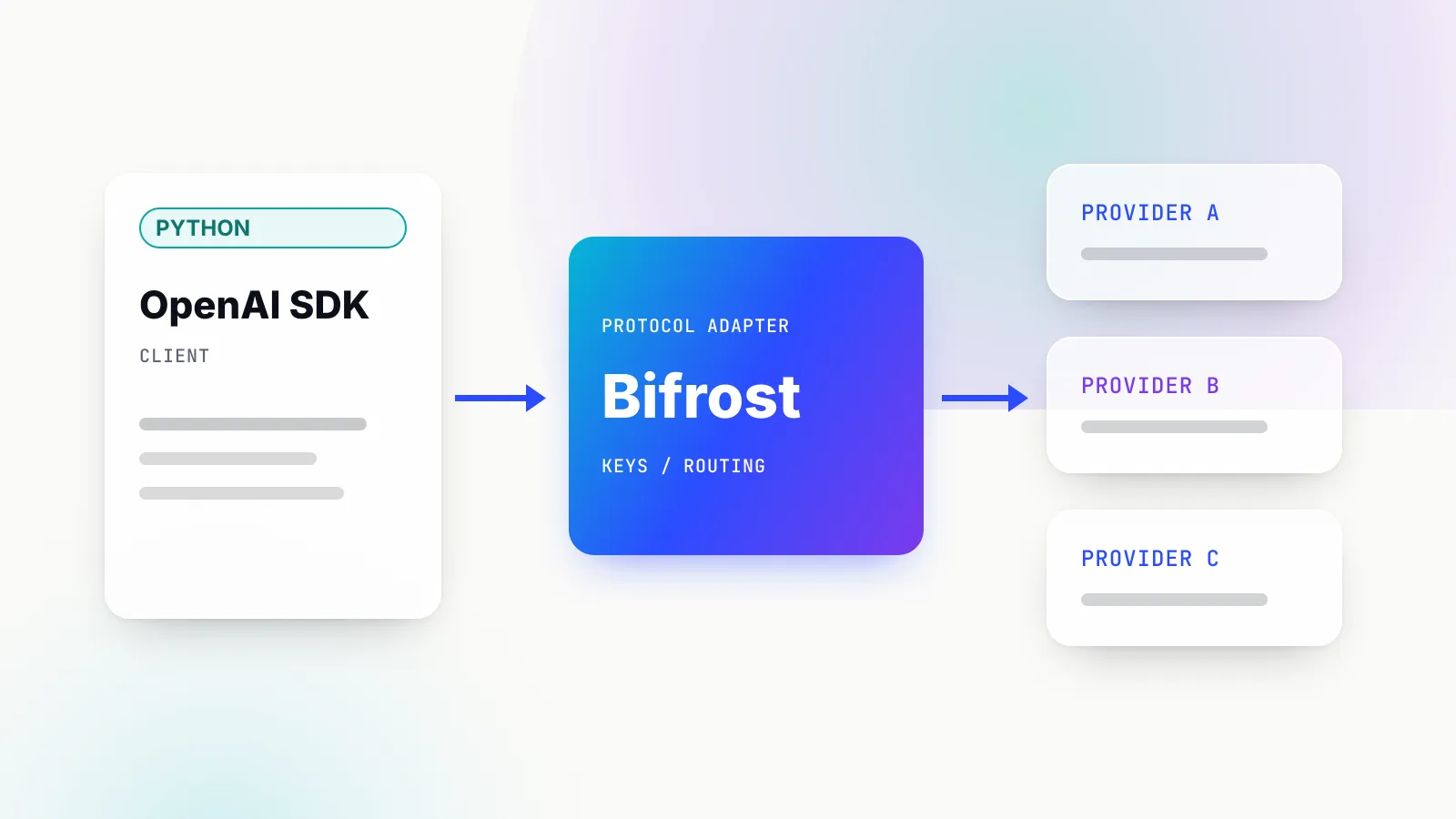
Bifrost’s protocol integrations give the team a documented request interface for the chosen SDK. Select the adapter that matches the application’s architecture, then attach its documentation to the contract map. The application statement explains what must remain useful; the adapter reference explains how the calls enter the gateway.
Make the map small enough to review. The first version should identify the caller, the operation, the consumed response and the product action. It does not need every prompt token or implementation detail. Once the reviewers agree on those boundaries, the developer can attach the settings and cases needed to implement the selected path.
Separate three kinds of change
Transport changes concern where and how the application sends requests. Model changes concern which model performs the work. Product changes concern the behavior the user receives. A migration can include all three, but the plan should identify each one explicitly so its acceptance result can be interpreted.
For a transport-focused pilot, preserve the selected model and the application’s output rules where practical. Compare the ordinary workflow before and after the route change. If the team deliberately chooses a new model at the same time, include a separate evaluation record for that choice rather than attributing every observed difference to the gateway.
Product changes deserve a named decision as well. Adding a new tool action or changing a report’s required sections can be valuable work. Those changes also alter the acceptance contract. Put them in the plan as selected scope so the team knows whether it is approving gateway adoption, a new product capability or a combined release.
| Change category | Example planning question | Required decision |
|---|---|---|
| Transport | Which Bifrost adapter will this SDK use? | Application integration boundary |
| Model | Which approved model handles this operation? | Model-quality acceptance |
| Product | What makes the answer or action acceptable? | User-visible behavior contract |
| Operations | How is a request investigated after release? | Support and ownership process |
This separation improves the discussion when an acceptance result needs investigation. The team can inspect the relevant configuration and behavior without assuming that one layer explains everything. It also gives a release lead a practical way to scope the first deployment: choose a change that can be accepted clearly and expand from that evidence.
Inventory callers through their deployment boundaries
Search for model-client construction and configuration across the application estate. Include web processes, workers, scheduled tasks and operational scripts. Record which of those callers share code and which are independently deployed. The migration unit should follow a release boundary the team can actually control.
An inventory row should identify the owner and the configuration source. For example, a worker may receive its model settings from a job environment while a web service receives them through the main deployment system. Both can use the same Bifrost route, but each needs a deliberate configuration delivery path. Make those paths visible before choosing a cutover date.
List the operation family and response consumer next. A caller that reads only final text differs from one that assembles streamed tool arguments. Note which library wrapper produces the request and which application module interprets the result. The plan becomes more useful when it links the external interface to the code that depends on it.
Do not infer reuse from a shared repository name. Two workers may construct clients separately and have different lifecycle rules. Conversely, several services may inherit a maintained client package that makes a configuration update largely shared. Inspect the actual dependency and record what will be reused. This keeps the migration plan aligned with the software the team operates.
End the inventory with a chosen first caller. It should be representative enough to teach the team something about the intended architecture and bounded enough to release independently. A tiny demonstration script can establish connectivity, while the selected caller should exercise the application behavior that matters to the adoption decision.
Agree on model names before changing the route
Model identifiers are part of the application’s configuration contract. Decide whether the product will send a provider-specific name or a logical name maintained by the platform team. Record the choice for each operation, including which team approves a later change. This prevents model naming from becoming an incidental string that different services interpret differently.
Bifrost can resolve a logical model name to a target identifier. Use the documented mechanism appropriate to the design, then keep the approved target in the environment’s configuration record. The application and platform teams should be able to explain the same mapping in their respective reviews.
For a hypothetical document assistant, the plan could assign one logical name to answer generation and another to embedding generation. The names identify purposes, while the release record identifies the selected targets. This makes a later model evaluation visible as a specific configuration decision and keeps the request inventory readable to someone outside the model platform team.
Treat a naming convention as an operational asset. Include a short description of each logical name, the owner of its target and the application cases used to accept a change. A useful convention helps a new service join the gateway without requiring its developers to reverse-engineer the platform’s existing model choices.
Keep deployment environments explicit. A test environment and production environment may use the same logical convention with deliberately reviewed targets. Record the intended difference and test the application’s actual configured route. The goal is a coherent naming contract, not an assumption that similar environment labels guarantee the same upstream behavior.
Map authentication and authority separately
The migration plan should identify how the application authenticates to the gateway and who is allowed to change the gateway’s configuration. Those are different responsibilities. An application caller needs the access appropriate to its requests, while the operator needs the management permissions used to prepare and maintain the route.
Use the chosen credential delivery process to supply the caller’s settings. Keep the plan focused on references and ownership rather than embedding secret values in work tickets or examples. A reviewer should know which environment supplies the credential and which team rotates it, without needing to see the credential itself.
When an existing gateway configuration is being transferred, the LiteLLM migration guide describes the management-side migration path and its dry-run report. Keep that operator activity distinct from an application’s SDK connection. The two can belong to one programme while retaining separate access and acceptance records.
Define the effective application scope in ordinary language. A document worker may need a selected model route and no unrelated tool access. A tool-using assistant needs the actions required for its particular task. Have the application owner approve that intended scope, then let the platform owner implement it through the documented gateway controls.
For organizational identity and content-policy requirements, record the selected edition. SSO and guardrails are available in Bifrost Enterprise. A concise capability note is sufficient in the plan; the accompanying work package should name the owner and acceptance case for the requested feature.
Plan responses as data contracts
A response contract describes what the application consumes, not every field a provider might return. Identify the fields that drive product behavior: final text, a tool-call identifier, validated JSON or an embedding vector. Then record the application rule applied before the result becomes a user-visible action or stored business record.
For structured extraction, name the validator and the expected handling of missing information. For a tool request, name the argument parser and the authorization check. For streaming, describe how the application assembles content and identifies a terminal state. These descriptions give the test designer a useful basis for selecting representative cases.
Use Bifrost’s request options as the source for gateway-specific request controls. Keep those options close to the integration module rather than scattering them through business logic. The application owner can then review product behavior while the platform owner reviews how the request is directed and controlled.
Plan diagnostic information alongside the consumed content. Response headers document correlation and routing metadata. Decide which of those identifiers the application records for its support workflow. The acceptance exercise can then connect a user-visible operation to the corresponding request evidence through a documented path.
This contract map also supports future changes. If a developer adds a new response field to the application’s business logic, the corresponding acceptance case should change. The gateway route remains a shared integration boundary, while the product keeps an explicit description of what it relies on. That is a maintainable division of responsibility.
Make the request deadline a product decision
Choose the time boundary from the product workflow. An interactive answer, a background report and an administrative batch do not necessarily have the same acceptable waiting behavior. State what the application does when its chosen deadline arrives and who owns any subsequent continuation. That decision should precede the final configuration of retries and timeouts.
Bifrost’s retries and fallbacks provide the documented recovery mechanisms for model requests. Use them in the intended route, with the retry settings and fallback choices visible in the acceptance record. Keep the application’s own job or action retry logic distinguishable from the model request’s recovery path.
For the first test, draw the attempt sequence as a timeline. Mark the application deadline, the request attempts the configuration permits and the status the user or job receives. If the workflow includes a human approval or a tool action, show those as separate events with their own application rules. This makes the plan understandable to people who do not maintain the gateway configuration.
Include cancellation where the application exposes it. Describe what a cancelled job or abandoned stream means for the product’s state. Select the relevant SDK and framework interfaces during implementation, then verify the configured behavior in the environment used for acceptance. The planning artifact should state the intended result without claiming an unperformed end-to-end test.
The release decision should refer to those observed application states. A successful ordinary response is one case; a clear product status after a controlled deadline is another. Together they show the owner how the request path behaves within the workflow the product actually offers.
Design the evidence path before cutover
An evidence path connects an application action to the records needed to understand it. Start with a safe application identifier and decide how it will be associated with gateway request information. Keep the mapping in the application design so support does not have to identify related calls by searching for similar prompt text.
Bifrost’s OpenTelemetry integration documents tracing for model calls. If the platform already has an observability destination, name the intended collector and the team responsible for the connection. The plan should identify which traces or records a support engineer will use for the pilot’s selected workflow.
Choose the content handling deliberately. The content logging documentation provides the configuration reference. The organization should decide which operational questions require request metadata and which approved investigations need content. Keep the selected destinations and access responsibilities in the deployment map.
Have an operator rehearse a concrete investigation before the release decision. Give them a safe application request identifier and a question: which configured route served the call, or where did the application stop waiting? Ask them to follow the written procedure and identify the relevant evidence. The result tells the lead whether the handover is usable.
The plan should retain that procedure after the migration. A gateway integration is easier to maintain when its request boundary and operational evidence are documented together. New application maintainers can then understand both the ordinary call path and the support workflow without relying on memory from the original cutover discussion.
A worked plan for a document assistant
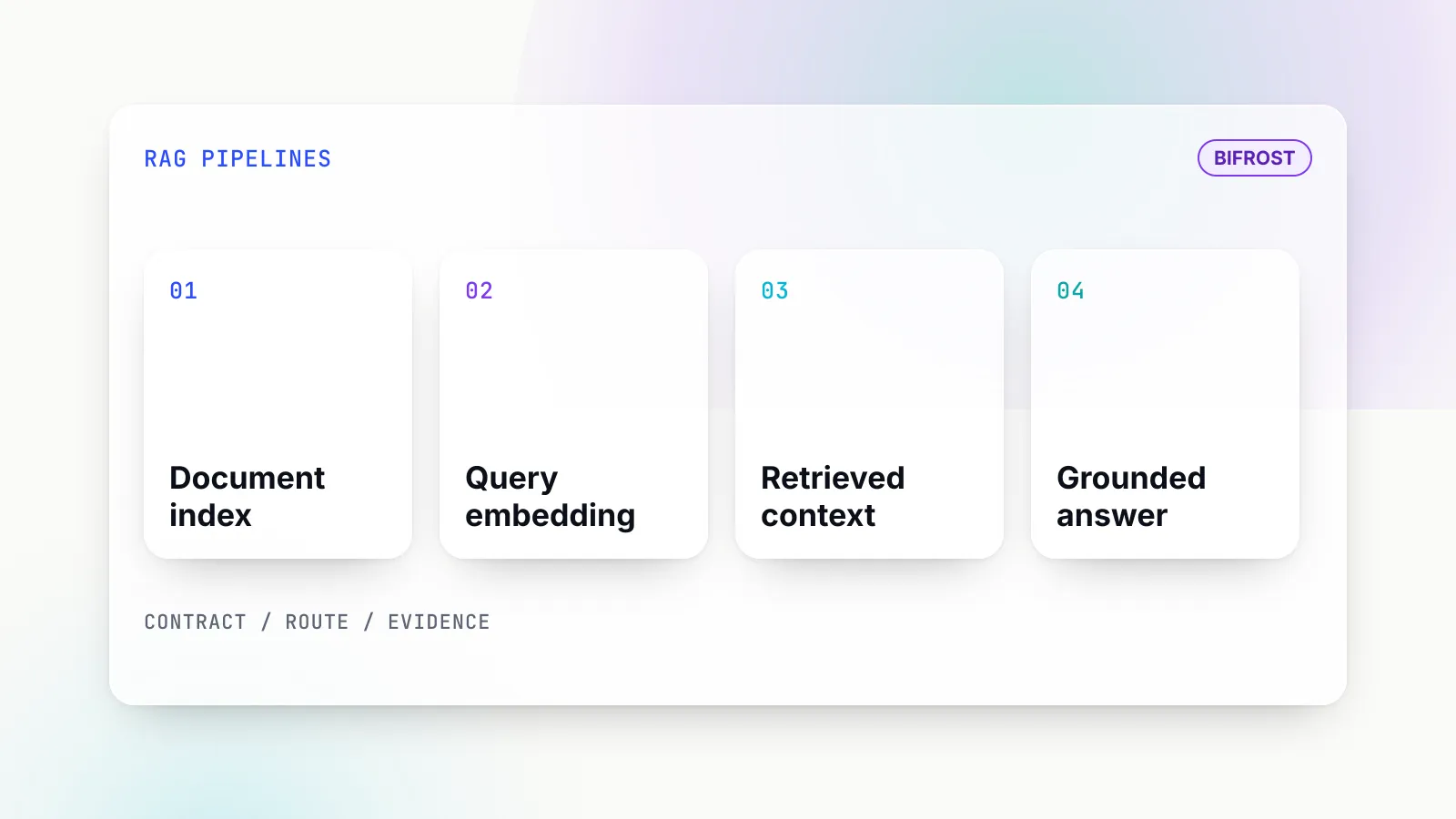
Consider an illustrative internal document assistant with a web conversation and a background ingestion worker. The web process writes answers from approved material; the worker prepares documents for retrieval. The team chooses Bifrost as the shared gateway and keeps the two independently deployed callers visible in the plan.
The product contract comes first. The web answer must refer to the provided evidence and handle a question for which no useful source is available. The ingestion worker must produce the representation expected by the retrieval system. Those requirements belong to the application owners, even though both callers will use the gateway’s model access.
The integration plan chooses the documented adapter for each caller’s SDK. It puts the endpoint and credential settings into the deployment system and keeps model identifiers in a reviewed configuration record. The platform owner prepares the intended access, while each caller retains its own response consumer and application validation.
For the worker, the acceptance case uses a safe document fixture and a retrieval query with a known expected source. For the web process, the case uses an ordinary answer, a missing-evidence question and a cancelled interaction if the interface permits one. These cases are proposed examples of coverage, not a report that the assistant has been built or tested.
The team releases one caller at a time. It could accept the ingestion worker in the test environment before moving the web process, retaining the corresponding environment and model records. The sequence should follow the real dependency between ingestion and retrieval rather than a desire to make every configuration change on the same day.
Make the response contract concrete enough to accept
A contract map becomes useful when it reaches the application’s actual decision. Consider an illustrative extraction worker that creates a supplier record from an uploaded document. The product requires a recognised supplier identifier and an amount with a declared currency. Its validation rule should describe how those values are checked and what happens when the document does not contain a required fact.
The gateway migration plan links that product rule to the worker’s model request and response consumer. A safe input fixture contains known values, while another deliberately omits the supplier identifier. The application owner defines the expected accepted record or clarification state. A transport response is then inspected as part of a complete application case rather than treated as the final acceptance result.
Now consider a chat interface that can create a draft ticket. The response contract includes the action name, the arguments required by the tool and the application rule controlling whether the action may proceed. The migration plan should identify the parser and authorization boundary. It should also identify the state stored when a user abandons the conversation before approval.
For that workflow, the safe acceptance environment can contain a test ticket queue and a known user role. A permitted action should follow the configured path, while an input needing additional information should reach the product’s expected clarification behavior. These are proposed cases to design and run, not a claim that a particular service has already passed them.
A streaming interface adds a further response consumer. The user interface may assemble text progressively while the server tracks the task’s completion state. Name the component that consumes the stream and the point at which the application considers the interaction finished. This description supports both implementation review and the later cancellation exercise.
Keep the contract descriptions short enough that product and engineering reviewers can agree on them. The necessary detail is the input, the consumed result, the application decision and the evidence proving that decision. Source code references can sit beside the description, giving the developer a precise place to implement or verify it.
Choose a cutover boundary the team can control
The first cutover should have a clear relationship to an application deployment. A service whose gateway destination is supplied through reviewed configuration gives the release owner a visible change to manage. Record the old approved configuration, the proposed Bifrost configuration and the cases accepted before the change. The same record should explain the normal method for restoring an earlier approved release.
Decide how in-flight work is handled. A background worker may have jobs already queued under one application version, while new jobs enter after a deployment. The product owner should define how those jobs are interpreted and completed. Include the queue and worker behavior in the plan when it affects the selected cutover, rather than treating the endpoint setting as the only relevant state.
For a conversation service, identify the session rule used during the release. The application may choose a deliberate boundary between existing and newly started conversations. Record that choice through the product’s own session mechanism and verify the behavior in the test environment. The plan should explain the intended transition without assuming that every caller uses identical conversation state.
Separate a staged rollout from an experiment. A staged rollout expands an accepted configuration to additional callers or environments. An experiment compares configurations to answer a question. They can use related evidence, but the release record should state which activity is taking place and which result allows it to proceed.
Give the operator a small cutover observation set. It can include the application’s accepted ordinary request, the intended route evidence and the product status for a controlled boundary case. The operator should know what they are looking for and who accepts the result. This keeps the release review focused on observable behavior rather than a broad dashboard impression.
Define the next expansion in the same terms. The first accepted worker can be followed by another caller with its own contract and release boundary. Shared configuration conventions and support procedures remain reusable, while the new caller’s application behavior is accepted explicitly. That is how a migration plan becomes a repeatable onboarding method for the wider platform.

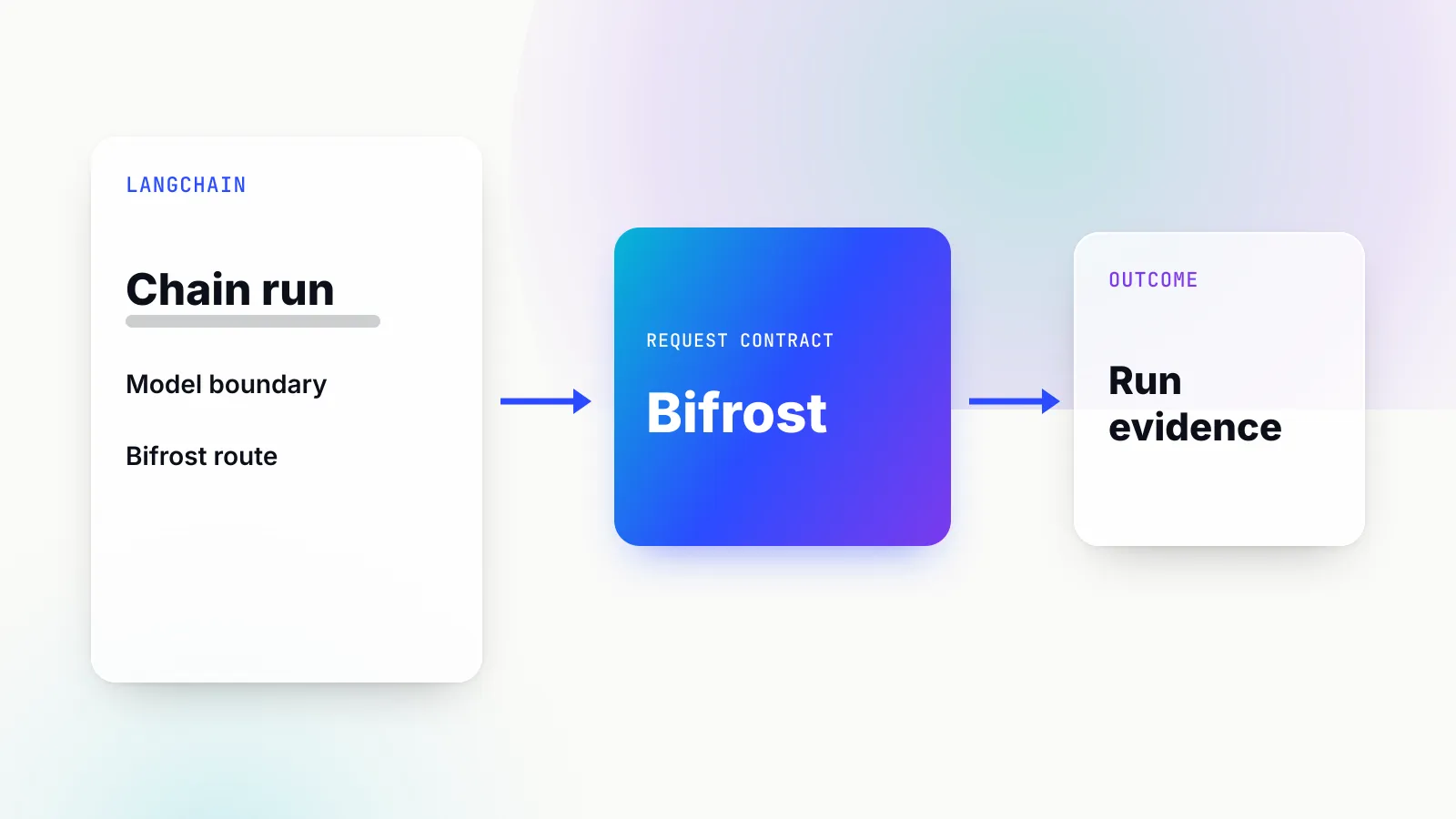
Figure 1: The migration plan joins product acceptance and gateway configuration through a shared, reviewable release boundary.
Preserve a comparison record for the first caller
Keep the first caller’s comparison record focused on the application contract. Store the safe input, the expected product decision and the observed result for the earlier approved configuration and the proposed Bifrost route. Include the application and model configuration identifiers so another maintainer can understand what was compared.
Do not require the generated wording to be identical when the acceptance rule concerns meaning or structure. A classifier may need an accepted category, while a report may need specified sections and supported statements. Write the invariant the product actually uses, and let the reviewer record why the observation satisfies it.
If a result needs investigation, link the relevant request evidence and preserve the finding with the case. The comparison record should explain whether the question concerned client configuration, a response consumer or a deliberate model choice. That explanation helps the release owner choose the next action without treating every difference as the same kind of issue.
Retain this record when the rollout expands. The next caller may reuse the integration pattern while supplying its own product cases. The first record then serves as an example of the evidence standard, rather than a substitute for accepting a different application’s behavior.
Build the dependency map and release record
Write the dependency map around decisions, not departmental headings. The chosen application cases depend on a known model route. That route depends on prepared provider configuration and caller access. The operational exercise depends on the selected evidence destination. Each dependency needs an owner and a clear condition that allows the next activity to proceed.
Keep the release record concise enough to use during cutover. It should identify the application version, approved configuration, accepted cases and operator procedure. Add the normal rollback mechanism for the application deployment. The record should tell the release owner what is being changed and how to return to the earlier approved configuration if that is the chosen operational action.
After the first caller is accepted, update the shared assets it produced. A client factory, model naming convention and investigation procedure can support later callers, while service-specific contracts remain with their owners. Make that reuse explicit in the next work package so the team benefits from the initial preparation without treating every caller as identical.
Use the engineering effort worksheet for capacity planning. It complements this contract map: the worksheet assigns effort to the work, while the map explains the dependencies and acceptance decisions. Keeping them linked gives the lead both a staffing basis and an execution plan.
For the broader product choice, the site’s gateway comparison provides the shortlist context. Once Bifrost is selected, approve the migration through the application contract, the configured request path and the observed acceptance evidence. The next service can then join a shared platform through a release process that its own maintainers understand.
Sources
- Bifrost integration architecture Maxim AI
- OpenAI SDK integration Maxim AI
- LiteLLM migration guide Maxim AI
- Model aliases Maxim AI
- Request options Maxim AI
- Response headers Maxim AI
- Retry and fallback behavior Maxim AI
- OpenTelemetry integration Maxim AI
- Content logging controls Maxim AI
Frequently asked questions
What belongs in a Bifrost migration plan?
Include the application contract, intended adapter, model naming, caller access, acceptance cases and release ownership. Connect the items through their dependencies rather than treating them as an unordered checklist.
Should a gateway migration also change the application's model?
Keep the two decisions explicit. A team can evaluate a new model in the same programme, but it should preserve enough evidence to distinguish the route change from the model choice.
What does a model alias add to the plan?
Bifrost documents aliases that map a logical model name to a target identifier. Use an approved naming convention and record the target selected for each environment.
How should a migration be released?
Choose the smallest independently deployable caller that represents the intended workflow. Accept its application and operational cases before expanding to the next selected caller.
Is this a report of a completed migration?
No. It is a planning framework with a hypothetical application example, grounded in current Bifrost documentation. It does not claim executed provider tests or observed customer results.